Learning Balinese Dance: A Journey into Tradition, Grace, and Self-Discovery

Learning Balinese Dance: A Journey into Tradition, Grace, and Self-Discovery
Have you ever been captivated by a dance so mesmerizing, so full of story and grace, that it transported you to another world? That's how I felt the first time I witnessed a Balinese dance performance. The intricate movements, the vibrant costumes, the haunting music – it was an experience that stayed with me long after the last gamelan note faded away. It ignited a curiosity, a desire to understand and, perhaps, even participate in this ancient art form. That's how my journey into learning Balinese dance began, and I'm excited to share my experiences and insights with you.
The Allure of Balinese Dance: More Than Just Movement
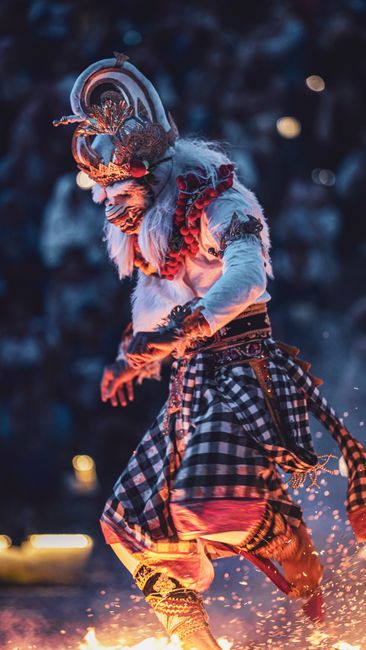
Balinese dance is far more than just a series of steps and gestures. It's a living tapestry woven from centuries of history, mythology, and spiritual beliefs. Each movement, each glance, each flick of the wrist carries meaning and tells a story. It's a conversation with the gods, an offering of beauty, and a celebration of life itself.
What makes Balinese dance so unique? Well, several factors contribute to its distinct character:
1. Deeply Rooted in Religion and Spirituality: Many Balinese dances are performed as part of religious ceremonies in temples, acting as a bridge between the human and divine realms. They are not merely entertainment; they are sacred offerings.
2. Intricate Mudras (Hand Gestures): The hand gestures, or mudras, are a complex language in themselves. They represent deities, emotions, objects, and even aspects of nature. Mastering these mudras is crucial to understanding the narrative being conveyed.
3. Expressive Eye Movements: The eyes are the windows to the soul, and in Balinese dance, they are also powerful storytelling tools. The "nyeledet" – a rapid, sideways glance – is a signature feature, conveying a range of emotions from surprise and fear to flirtation and anger.
4. Gamelan Music: The rhythmic and melodic accompaniment of the gamelan orchestra is inseparable from Balinese dance. The intricate interplay between the dancers and the musicians creates a hypnotic and immersive experience.
5. Elaborate Costumes and Makeup: The costumes are often elaborate and colorful, adorned with gold leaf, intricate patterns, and symbolic accessories. The makeup transforms the dancer into a character from the epics, adding to the visual spectacle.
6. Diverse Dance Styles: Balinese dance encompasses a wide range of styles, each with its own distinct characteristics and purpose. From the graceful and refined Legong to the dramatic and powerful Barong, there's a dance style to suit every taste and personality.
For me, it was the combination of all these elements that drew me in. It was the feeling of being transported to a different time and place, of witnessing a story unfold through movement and music. I knew I wanted to learn more, to understand the language of Balinese dance and to experience its transformative power firsthand.
Taking the Plunge: Finding a Teacher and a Style

The first step in my journey was finding a teacher. In Bali, dance is often taught within families, passed down from generation to generation. However, there are also many reputable dance schools and teachers who welcome foreign students. I spent some time researching different options, reading reviews, and talking to other students before settling on a teacher who resonated with me. Finding the right teacher is crucial; they will not only guide you through the technical aspects of the dance but also introduce you to the cultural context and spiritual significance.
Next came the exciting (and slightly daunting) task of choosing a dance style. With so many options available, it can be overwhelming. Here are a few of the most popular Balinese dance styles:
1. Legong: Considered one of the most refined and graceful of Balinese dances, Legong tells stories from classical literature, often involving princesses, kings, and mythical creatures. It's characterized by intricate footwork, precise hand gestures, and subtle facial expressions.
2. Barong: This is a dramatic dance that depicts the eternal battle between good and evil, represented by the Barong (a mythical lion-like creature) and Rangda (a demon queen). It's a powerful and energetic performance, often accompanied by loud music and dramatic costumes.
3. Pendet: A welcoming dance traditionally performed by young girls carrying offerings of flowers, Pendet is now often performed to greet guests at ceremonies and events. It's a simpler dance than Legong or Barong, but still requires grace and coordination.
4. Kebyar Duduk: A dynamic and expressive solo dance, Kebyar Duduk showcases the virtuosity of the male dancer. It's characterized by dramatic changes in tempo and emotion, requiring strength, flexibility, and impeccable timing.
5. Oleg Tambulilingan: This dance depicts a pair of bumblebees flirting and playing in a garden. It's a lighthearted and playful dance, full of energy and joy.
I was initially drawn to Legong, with its elegance and intricate storytelling. However, my teacher suggested I start with Pendet, as it provides a solid foundation in basic Balinese dance movements and techniques. I trusted her judgment, and I'm glad I did. Pendet allowed me to gradually build my skills and confidence before tackling more complex dance styles.
The Learning Process: Discipline, Patience, and Perseverance

Learning Balinese dance is not easy. It requires discipline, patience, and perseverance. Be prepared to spend hours practicing the same movements, refining your technique, and memorizing long sequences. Here are some of the challenges I encountered and how I overcame them:
1. Mastering the Basic Posture: The foundation of Balinese dance is the correct posture, which involves bending the knees, tucking the pelvis, and maintaining a straight back. This posture can be challenging to maintain for extended periods, but it's essential for achieving the graceful and fluid movements characteristic of Balinese dance. I found that strengthening my core muscles and practicing yoga helped me improve my posture and stamina.
2. Coordinating Hand Gestures and Footwork: Coordinating the intricate hand gestures with the precise footwork can be incredibly challenging, especially at first. It requires a high level of concentration and coordination. I found it helpful to break down the movements into smaller parts and practice them separately before putting them all together. Repetition is key!
3. Expressing Emotions Through Movement: Balinese dance is not just about technique; it's also about expressing emotions and telling a story through movement. This requires connecting with the meaning behind the dance and allowing your emotions to flow through your body. I found it helpful to research the stories behind the dances I was learning and to imagine myself as the characters I was portraying.
4. Memorizing Long Sequences: Balinese dances can be quite long and complex, with many different sequences of movements. Memorizing these sequences can be daunting, but it's essential for performing the dance with confidence. I found it helpful to write down the sequences in a notebook, create mnemonic devices, and practice them regularly.
5. Dealing with Sore Muscles and Fatigue: Learning Balinese dance can be physically demanding, especially when you're starting out. Be prepared to experience sore muscles and fatigue. It's important to listen to your body, take breaks when you need them, and stretch regularly to prevent injuries. Epsom salt baths can also help soothe sore muscles.
But despite the challenges, the rewards of learning Balinese dance are immense. As you progress, you'll begin to feel a sense of accomplishment and pride in your abilities. You'll also develop a deeper understanding and appreciation for Balinese culture and spirituality.
The Cultural Immersion: More Than Just Dance Lessons
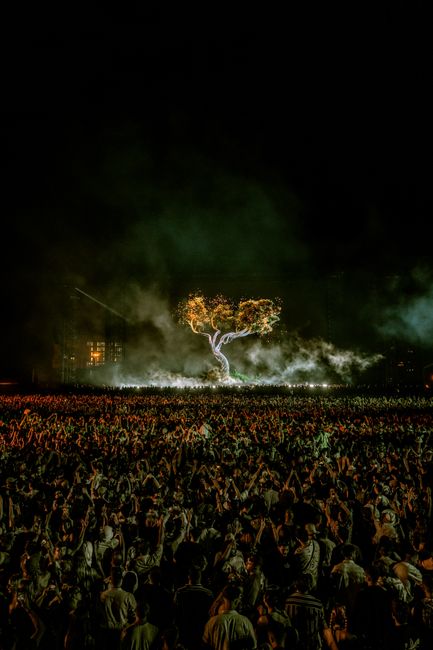
Learning Balinese dance is not just about taking dance lessons; it's also about immersing yourself in the Balinese culture. I found that the more I learned about the history, mythology, and spiritual beliefs behind the dances, the more meaningful and enriching the experience became.
Here are some ways to immerse yourself in Balinese culture while learning to dance:
1. Attend Temple Ceremonies: Many Balinese dances are performed as part of temple ceremonies. Attending these ceremonies is a great way to witness the dances in their natural context and to experience the spiritual atmosphere of the temple.
2. Learn About Balinese Mythology: Balinese dances often tell stories from the Hindu epics, such as the Ramayana and the Mahabharata. Learning about these stories will help you understand the meaning behind the dances and the characters they portray.
3. Study the Gamelan Music: The gamelan music is an integral part of Balinese dance. Learning about the instruments, the rhythms, and the melodies will deepen your appreciation for the art form.
4. Try Balinese Cooking: Food is an important part of Balinese culture. Trying traditional Balinese dishes will give you a taste of the local cuisine and help you connect with the people.
5. Learn Basic Bahasa Indonesia: Even a few basic phrases in Bahasa Indonesia will go a long way in helping you communicate with your teacher and other locals. It shows respect for their culture and makes it easier to connect with them.
6. Respect Local Customs and Traditions: Bali has a rich and unique culture, and it's important to respect local customs and traditions. Dress modestly when visiting temples, avoid public displays of affection, and be mindful of your behavior.
By immersing yourself in Balinese culture, you'll not only enhance your dance learning experience but also gain a deeper understanding and appreciation for the beauty and complexity of Balinese society.
The Physical and Mental Benefits: A Holistic Practice
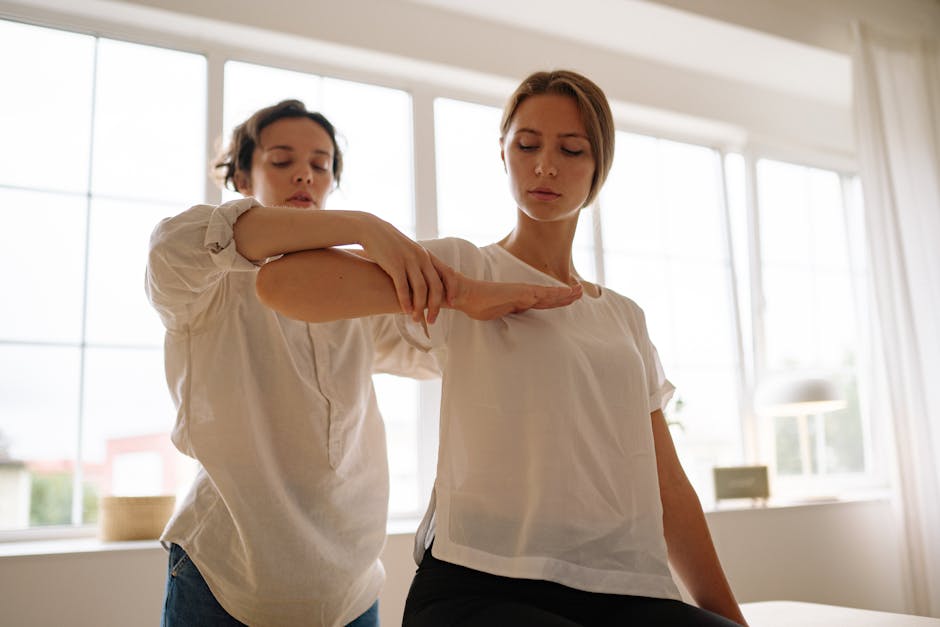
Beyond the cultural and artistic aspects, learning Balinese dance offers a wide range of physical and mental benefits. It's a holistic practice that can improve your overall well-being.
1. Improved Physical Fitness: Balinese dance is a physically demanding activity that can improve your strength, flexibility, coordination, and stamina. It engages all the major muscle groups and provides a great cardiovascular workout.
2. Enhanced Posture and Body Awareness: The emphasis on correct posture and alignment in Balinese dance can improve your overall posture and body awareness. You'll become more conscious of your movements and how your body is positioned in space.
3. Increased Mental Focus and Concentration: Learning Balinese dance requires a high level of concentration and mental focus. Memorizing long sequences, coordinating intricate movements, and expressing emotions through movement all require sustained mental effort.
4. Stress Reduction and Relaxation: The rhythmic movements and the meditative quality of Balinese dance can help reduce stress and promote relaxation. It allows you to escape from the pressures of daily life and connect with your inner self.
5. Boosted Self-Confidence and Self-Esteem: As you progress in your dance learning journey, you'll gain a sense of accomplishment and pride in your abilities. This can boost your self-confidence and self-esteem. Performing in front of an audience can be particularly empowering.
6. Improved Memory and Cognitive Function: Memorizing dance sequences and coordinating movements can improve your memory and cognitive function. It's a great way to keep your mind sharp and active.
For me, the mental benefits were just as important as the physical ones. I found that learning Balinese dance helped me to be more present, more focused, and more connected to my body and my emotions. It was a truly transformative experience.
The Challenges and Rewards: A Personal Reflection

My journey learning Balinese dance has been filled with both challenges and rewards. There were times when I felt frustrated and discouraged, when I struggled to master a particular movement or memorize a long sequence. But there were also moments of pure joy and exhilaration, when I felt the music flowing through my body and the dance coming alive.
One of the biggest challenges was overcoming my own self-doubt. I'm not a professional dancer, and I sometimes felt intimidated by the skill and grace of the Balinese dancers. But my teacher encouraged me to focus on my own progress and to celebrate my small victories. She reminded me that the most important thing was to enjoy the process and to express myself through movement.
One of the most rewarding experiences was performing in a small temple ceremony. It was a humbling and deeply moving experience to share my love of Balinese dance with the community. I felt a sense of connection to the culture and the people that I had never felt before.
Learning Balinese dance has not only taught me about the art form itself but also about myself. It has taught me the importance of discipline, patience, and perseverance. It has taught me to embrace my imperfections and to celebrate my strengths. And it has taught me the power of art to connect us to each other and to something larger than ourselves.
Resources for Aspiring Balinese Dancers: Getting Started

If you're inspired to embark on your own Balinese dance journey, here are some resources to help you get started:
1. Online Research: Start by researching different Balinese dance styles, teachers, and schools. Look for reputable sources and read reviews from other students.
2. Travel to Bali: If possible, travel to Bali to experience the dance firsthand and to immerse yourself in the culture. There are many dance schools and teachers in Bali who welcome foreign students.
3. Find a Local Teacher: If you can't travel to Bali, look for a Balinese dance teacher in your local area. Many universities and community centers offer dance classes.
4. Online Tutorials: There are many online tutorials and videos that can help you learn the basics of Balinese dance. However, it's important to find reputable sources and to supplement your online learning with in-person instruction.
5. Books and Articles: Read books and articles about Balinese dance and culture to deepen your understanding of the art form.
6. Dance Workshops: Attend dance workshops and seminars to learn from experienced instructors and to connect with other dancers.
7. Practice Regularly: The key to success in learning Balinese dance is to practice regularly. Even a few minutes of practice each day can make a big difference.
Remember that learning Balinese dance is a journey, not a destination. Be patient with yourself, celebrate your progress, and enjoy the process. With dedication and perseverance, you can unlock the beauty and power of this ancient art form.
Conclusion: A Lifelong Journey of Discovery

Learning Balinese dance has been one of the most rewarding experiences of my life. It has opened my eyes to a world of beauty, grace, and spirituality. It has challenged me physically and mentally, and it has transformed me in ways I never imagined.
I know that my journey is far from over. There's still so much to learn, so much to explore, and so much to discover. But I'm excited to continue on this path, to deepen my understanding of Balinese dance, and to share my love of this art form with others.
I hope that my story has inspired you to consider learning Balinese dance. Whether you're a seasoned dancer or a complete beginner, I believe that this art form has something to offer everyone. It's a journey of self-discovery, cultural immersion, and personal growth. And it's a journey that I wholeheartedly recommend.
So, take the plunge, embrace the art form, and discover the magic of Balinese dance. You might just surprise yourself with what you're capable of achieving.
Post a Comment