Learning Balinese Gamelan: An Immersive Journey into the Heart of Indonesian Music

Learning Balinese Gamelan: An Immersive Journey into the Heart of Indonesian Music
Have you ever heard the shimmering, hypnotic sound of Balinese Gamelan? It's unlike anything else – a complex tapestry of bronze gongs, metallophones, and percussion instruments that weaves together melody, rhythm, and a deep sense of cultural history. For years, I was captivated by this music from afar, listening to recordings and watching videos online. But something was missing. I felt a strong pull to experience it firsthand, to truly understand the soul of Gamelan. So, I decided to immerse myself in a Balinese Gamelan learning program, and it was one of the most transformative experiences of my life. Let me share my journey with you, hoping it will inspire you to explore the magic of Gamelan too!
What is Balinese Gamelan? More Than Just Music
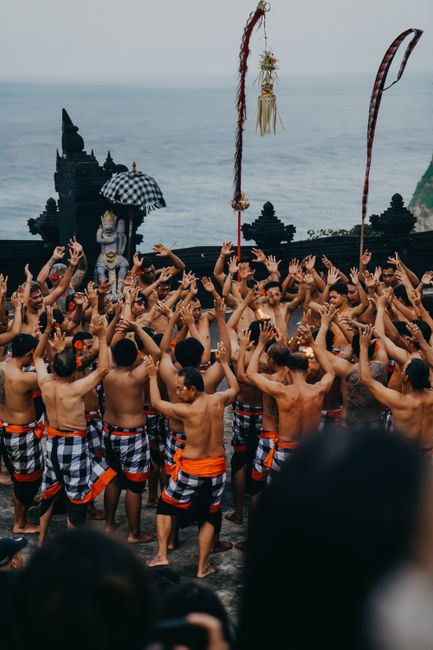
Before I dive into my learning experience, let's talk a little bit about what Balinese Gamelan actually is. It's so much more than just an orchestra or a musical genre. It's an integral part of Balinese culture, deeply intertwined with religious ceremonies, temple festivals, dances, and shadow puppet theatre (Wayang Kulit). Think of it as the soundtrack to Balinese life.
Gamelan, in its simplest definition, is a traditional Indonesian musical ensemble, primarily featuring percussion instruments. While Gamelan traditions exist throughout Indonesia (Java and Bali being the most prominent), Balinese Gamelan possesses a distinct energy and vibrancy. Its intricate interlocking rhythms, dynamic contrasts, and bright, shimmering tones set it apart. It's often faster-paced and more virtuosic than its Javanese counterpart.
The instruments themselves are works of art. Crafted from bronze and meticulously tuned, each instrument has its own unique voice within the ensemble. Common instruments include:
- Gongs: These are the heart of the Gamelan, providing the foundational rhythmic structure and punctuating key musical phrases. There are large gongs (like the Gong Ageng) and smaller, higher-pitched gongs.
- Metallophones: These are keyboard-like instruments with bronze keys that are struck with mallets. Different sizes and ranges of metallophones create the melodic and harmonic layers of the music. Examples include the Gender Wayang (used in shadow puppet theatre), Gangsa, Jegogan, and Ugal.
- Kendang (Drums): These are double-headed drums that play a crucial role in directing the ensemble and adding rhythmic complexity.
- Rebab: A two-stringed bowed instrument that adds a melodic counterpoint to the percussive sounds.
- Suling: A bamboo flute that contributes to the overall texture and can also carry melodies.
- Cymbals: Various types of cymbals, like the Ceng-ceng, add splashes of color and rhythmic accents.
The music created by these instruments isn't just a random collection of sounds. It adheres to specific scales and structures called patets, and the interlocking rhythms create a complex and mesmerizing texture. It's truly a collaborative art form, where musicians listen intently to each other and respond in real-time.
Why I Chose Immersion: Beyond the Classroom

You might be wondering why I opted for a full immersion program rather than simply taking a few online lessons or reading a book. The truth is, I felt that learning Gamelan required a deeper connection to the culture and the people who create this music. It's not just about hitting the right notes; it's about understanding the context, the traditions, and the spirit behind the music. Immersion, for me, meant:
- Experiencing the music in its natural environment: Hearing Gamelan played in temples during ceremonies, seeing it accompany dances, and feeling its presence in everyday Balinese life.
- Learning from local teachers: Receiving instruction from experienced musicians who have grown up with this music and possess a deep understanding of its nuances.
- Connecting with the community: Building relationships with Balinese people and gaining insights into their culture and way of life.
- Pushing myself outside my comfort zone: Stepping away from my familiar surroundings and embracing a new culture and a new way of learning.
I wanted to learn Gamelan not just as a skill, but as a way to connect with something larger than myself.
Finding the Right Program: Research and Preparation

Finding the right immersion program was crucial. I spent weeks researching different schools and teachers in Bali, reading reviews, and comparing curriculums. Here are some of the factors I considered:
- Teacher experience and credentials: I looked for teachers with years of experience playing and teaching Gamelan, preferably those who were recognized within the Balinese Gamelan community.
- Program structure and duration: I wanted a program that offered a balance of individual lessons, group rehearsals, and cultural activities. The duration was also important; I wanted enough time to make significant progress but not so long that I would get overwhelmed.
- Location and accommodation: I preferred a program located in a smaller village or town, away from the tourist crowds, to have a more authentic experience. I also considered the type of accommodation offered and whether it provided opportunities for cultural immersion.
- Cost and value: Gamelan immersion programs can vary in price, so I compared the cost of different programs with the value they offered, taking into account the quality of instruction, the accommodation, and the cultural activities included.
- Reviews and testimonials: I read reviews from past students to get an idea of their experiences and to gauge the overall quality of the program.
After careful consideration, I chose a program that was located in a small village in central Bali, run by a family of traditional musicians. It offered a flexible curriculum, personalized instruction, and opportunities to participate in local ceremonies and events. It felt like the perfect fit for my goals and learning style.
My First Days: Culture Shock and Humbling Beginnings

Arriving in Bali was a sensory overload. The vibrant colors, the fragrant smells, the constant sounds of motorbikes and Gamelan music – it was a world away from my quiet suburban life. My first few days were filled with culture shock and a healthy dose of humility.
The family who ran the program welcomed me with open arms. They were incredibly kind and patient, always willing to answer my questions and help me adjust to my new surroundings. My teacher, a renowned Gamelan musician named Bapak (Mr.) Made, was a gentle but demanding instructor. He had a deep passion for Gamelan and a remarkable ability to convey its complexities in a way that I could understand. He spoke limited English, which initially felt daunting, but it forced me to rely on non-verbal communication, observation, and a whole lot of patience.
My first Gamelan lesson was… challenging. I had assumed that my previous musical experience would give me a head start, but I quickly realized that Gamelan was a whole different ballgame. The tuning system, the playing techniques, the rhythmic patterns – everything was unfamiliar. My hands felt clumsy, my ears struggled to distinguish the subtle nuances of the music, and I felt completely overwhelmed. I remember Bapak Made smiling kindly at my struggles and saying, "Pelan-pelan" (slowly, slowly). It was a reminder to be patient with myself and to trust the process.
Beyond the music lessons, I also spent time immersing myself in the local culture. I learned to cook traditional Balinese dishes, participated in temple offerings, and even tried my hand at Balinese dance (with hilariously awkward results). These experiences gave me a deeper appreciation for the context in which Gamelan music exists and helped me to understand its significance within Balinese society.
The Learning Process: Patience, Practice, and Persistence

Learning Gamelan is a journey, not a destination. It requires patience, practice, and a willingness to embrace challenges. Here's what I learned during my immersion:
- The Importance of Listening: Gamelan is all about listening – listening to your teacher, listening to your fellow musicians, and listening to the music itself. Developing my listening skills was crucial to understanding the intricate relationships between the different instruments and the overall structure of the music.
- The Power of Repetition: Like any musical instrument, Gamelan requires hours of practice to develop muscle memory and technical proficiency. I spent countless hours repeating simple patterns and exercises, gradually building my skills and confidence.
- The Value of Collaboration: Gamelan is a collaborative art form, and playing in an ensemble is an essential part of the learning process. I learned to listen to and respond to my fellow musicians, to blend my sound with theirs, and to create a cohesive and balanced musical texture.
- The Connection Between Music and Culture: Understanding the cultural context of Gamelan is essential to understanding its meaning and purpose. Learning about Balinese religion, mythology, and social customs helped me to appreciate the depth and complexity of the music.
- The Joy of Making Music: Despite the challenges, learning Gamelan was an incredibly rewarding experience. There's something magical about creating music with others, about feeling the vibrations of the instruments, and about connecting with a tradition that has been passed down for generations.
Bapak Made taught me more than just how to play the instruments. He taught me about respect, discipline, and the importance of preserving cultural traditions. He instilled in me a deep love for Gamelan music and a desire to share its beauty with others.
Overcoming Challenges: Language Barriers and Cultural Differences
Of course, my Gamelan immersion wasn't without its challenges. The language barrier was a constant obstacle, and there were times when I felt frustrated and isolated. Cultural differences also presented challenges, particularly in terms of communication styles and social expectations.
To overcome these challenges, I tried to:
- Learn basic Indonesian phrases: Even a few simple words like "terima kasih" (thank you) and "selamat pagi" (good morning) went a long way in building rapport with the locals.
- Be patient and respectful: I tried to be mindful of cultural differences and to avoid making assumptions or judgments. I asked questions when I was unsure about something and apologized if I made a mistake.
- Embrace the unknown: I learned to accept that things wouldn't always go as planned and to be open to new experiences. I tried to see challenges as opportunities for growth and learning.
- Connect with other learners: I found support and encouragement from other students in the program, who were going through similar experiences. We shared tips, stories, and laughter, which helped to ease the challenges.
Looking back, I realize that these challenges were an integral part of my learning experience. They forced me to step outside my comfort zone, to develop my communication skills, and to become more adaptable and resilient.
The Instruments: Getting Hands-On with Bronze and Bamboo

One of the most exciting aspects of the immersion program was the opportunity to learn to play a variety of Gamelan instruments. I started with the Gangsa, a metallophone with bronze keys that are struck with mallets. It required developing coordination and precision to strike the keys cleanly and accurately. I also spent time learning the Kendang (drums), which involved mastering complex rhythmic patterns and coordinating my hands and feet.
Each instrument presented its own unique challenges and rewards. The Gangsa required developing a delicate touch and precise timing, while the Kendang demanded a strong sense of rhythm and coordination. I also had the chance to try the Rebab (bowed instrument) and the Suling (bamboo flute), which added new dimensions to my musical experience. It was fascinating to learn how each instrument contributed to the overall sound of the Gamelan and to understand the role it played within the ensemble.
Beyond playing the instruments, I also learned about their construction and maintenance. I visited a local Gamelan workshop where I saw how the instruments were crafted from bronze using traditional techniques. I learned about the process of tuning the instruments and the importance of keeping them in good condition. This hands-on experience gave me a deeper appreciation for the artistry and craftsmanship involved in creating Gamelan instruments.
Performing with the Ensemble: A Moment of Pure Joy

After weeks of practice and preparation, the highlight of my immersion program was performing with the Gamelan ensemble at a local temple ceremony. It was a nerve-wracking but incredibly rewarding experience. I was surrounded by experienced musicians who had been playing Gamelan their entire lives, and I felt a sense of responsibility to uphold the traditions of this ancient art form.
As we began to play, I felt a surge of adrenaline and excitement. The music filled the air, resonating through the temple grounds and creating a powerful sense of connection with the community. I focused on listening to my fellow musicians, following Bapak Made's cues, and playing my part to the best of my ability. There were moments when I stumbled or made mistakes, but I quickly recovered and kept playing. The energy of the ensemble carried me through, and I felt a sense of unity and shared purpose.
When the performance ended, I was filled with a sense of accomplishment and joy. I had overcome my fears and challenges, and I had contributed to something beautiful and meaningful. The experience reinforced my love for Gamelan music and my desire to continue learning and sharing it with others.
The Lasting Impact: More Than Just a Skill

My Balinese Gamelan immersion was more than just a learning experience; it was a transformative journey that changed my perspective on music, culture, and life itself. I left Bali with a newfound appreciation for the beauty and complexity of Gamelan music, a deeper understanding of Balinese culture, and a strong sense of connection to the community.
The skills and knowledge I gained during my immersion have enriched my life in countless ways. I continue to play Gamelan, both individually and with ensembles, and I share my passion for the music with others through teaching and performance. I also apply the lessons I learned in Bali to other areas of my life, such as patience, collaboration, and cultural awareness.
More importantly, my immersion experience instilled in me a deep respect for cultural diversity and the importance of preserving traditional art forms. I believe that Gamelan music has the power to connect people from different backgrounds and to promote understanding and harmony. I am committed to using my skills and knowledge to help preserve and promote this beautiful and important cultural tradition.
Tips for Aspiring Gamelan Learners: Your Journey Begins Here

If you're inspired to learn Balinese Gamelan, I encourage you to take the leap! Here are a few tips to help you get started:
- Start by listening: Immerse yourself in Gamelan music by listening to recordings, watching videos, and attending live performances (if possible). Familiarize yourself with the different sounds and textures of the music.
- Find a qualified teacher: Look for an experienced Gamelan teacher who can provide personalized instruction and guidance. Consider taking lessons online or attending a workshop or retreat.
- Choose the right instrument: Experiment with different Gamelan instruments to find one that you enjoy playing and that suits your learning style. Start with a simpler instrument like the Gangsa or the Kendang.
- Practice regularly: Dedicate time each day or week to practice your Gamelan skills. Be patient with yourself and focus on building a solid foundation.
- Join a Gamelan ensemble: Playing with others is an essential part of the Gamelan learning process. Join a local Gamelan ensemble or start your own group with friends.
- Immerse yourself in Balinese culture: Learn about Balinese religion, mythology, and social customs to gain a deeper understanding of the cultural context of Gamelan music.
- Be open to new experiences: Embrace the challenges and rewards of learning a new musical tradition. Be patient with yourself, be respectful of the culture, and have fun!
Beyond Bali: Finding Gamelan Opportunities Near You
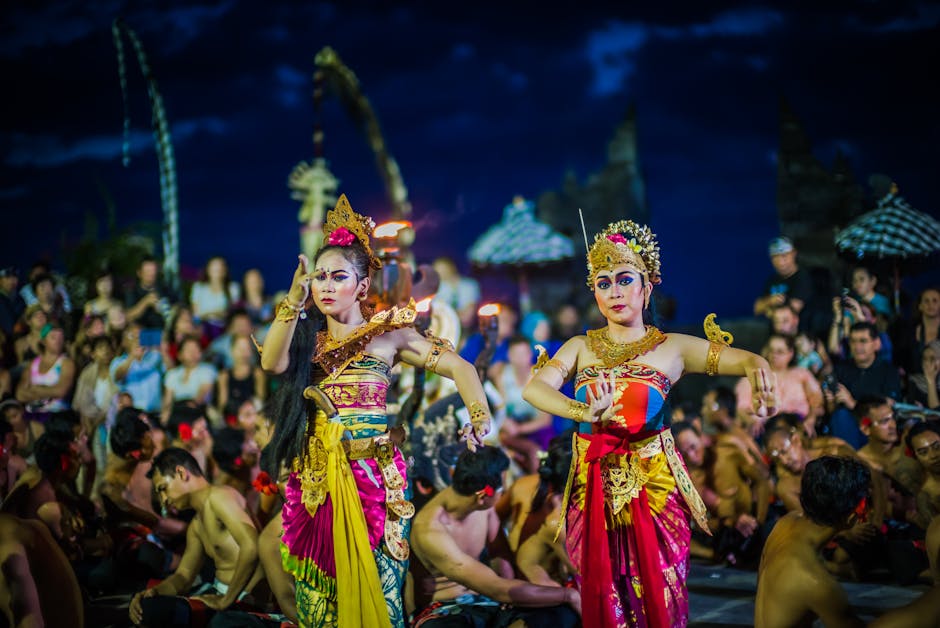
While immersing yourself in Bali is the ultimate experience, it's not always feasible. Fortunately, Gamelan communities are popping up all over the world! You might be surprised to find opportunities to learn and play Gamelan closer to home. Here are some ways to find them:
- University music departments: Many universities with strong music programs offer Gamelan ensembles or courses. Check the course catalog or contact the music department for more information.
- Community music schools: Some community music schools offer Gamelan classes or workshops. Search online for music schools in your area and inquire about Gamelan instruction.
- Cultural centers and museums: Cultural centers and museums that focus on Indonesian or Southeast Asian cultures may host Gamelan performances or workshops. Check their event calendars for upcoming events.
- Online communities and forums: Join online communities and forums dedicated to Gamelan music. These groups can be a great resource for finding teachers, ensembles, and events in your area.
- Local arts organizations: Contact local arts organizations or grant-giving bodies. They often sponsor cultural events including Gamelan music.
Don't be afraid to reach out to local musicians or music enthusiasts. They may be able to connect you with Gamelan opportunities in your community. The Gamelan world is surprisingly interconnected, and people are often eager to share their passion for this beautiful music.
Final Thoughts: The Music Within You
Learning Balinese Gamelan was a journey of self-discovery, cultural immersion, and musical exploration. It challenged me, inspired me, and changed me in ways I never expected. It showed me the power of music to connect people, to bridge cultures, and to create a sense of belonging. Whether you're a seasoned musician or a complete beginner, I encourage you to explore the magic of Gamelan. It might just unlock the music within you.
Post a Comment