Money Matters in Bali: Rupiah, ATMs, Budgeting & Enjoying Paradise Responsibly

Money Matters in Bali: Rupiah, ATMs, Budgeting & Enjoying Paradise Responsibly
Okay, friend, let's talk money in Bali! You're probably dreaming of pristine beaches, lush rice paddies, and vibrant temples. But before you pack your bags, it's crucial to understand the financial side of your Balinese adventure. Trust me, a little planning goes a long way in ensuring you don't spend your entire vacation stressing about exchange rates and hidden fees. I've been there, done that, and learned a few things along the way, so I'm here to share my insights.
The Balinese Rupiah (IDR): Your Key to Paradise

The currency in Bali is the Indonesian Rupiah, abbreviated as IDR. Get used to seeing a lot of zeros! Currently, the exchange rate fluctuates, but generally, you'll find that 1 USD is roughly equivalent to 15,000 IDR (this number is always subject to change, so check the current rate before you go!). It can feel a bit overwhelming at first, especially when negotiating prices or paying for meals. For example, something costing 150,000 IDR might seem like a huge amount, but it's really only around $10 USD. So, a solid understanding of the current exchange rate is critical.
Familiarize yourself with the denominations. You'll primarily be dealing with banknotes of 1,000, 2,000, 5,000, 10,000, 20,000, 50,000, and 100,000 Rupiah. Coins exist but are less commonly used, except for small transactions. Take a good look at the notes, so you're not accidentally handing over a 50,000 IDR note when you meant to give a 5,000 IDR note. This has definitely happened to me when I first arrived!
Keep smaller denominations handy. Taxis, warungs (local eateries), and smaller shops often appreciate smaller bills for easier transactions. It's also helpful for tipping. Speaking of tipping, while not as ingrained as in some Western countries, it's always appreciated for good service. A small tip of 5,000 to 10,000 IDR for a meal or a massage is a nice gesture.
One of the best things I did was download a currency converter app on my phone. There are many great options available, and they update with real-time exchange rates. This made calculating prices and understanding costs much easier, especially when haggling in markets.
ATM Adventures: Withdrawing Cash Safely
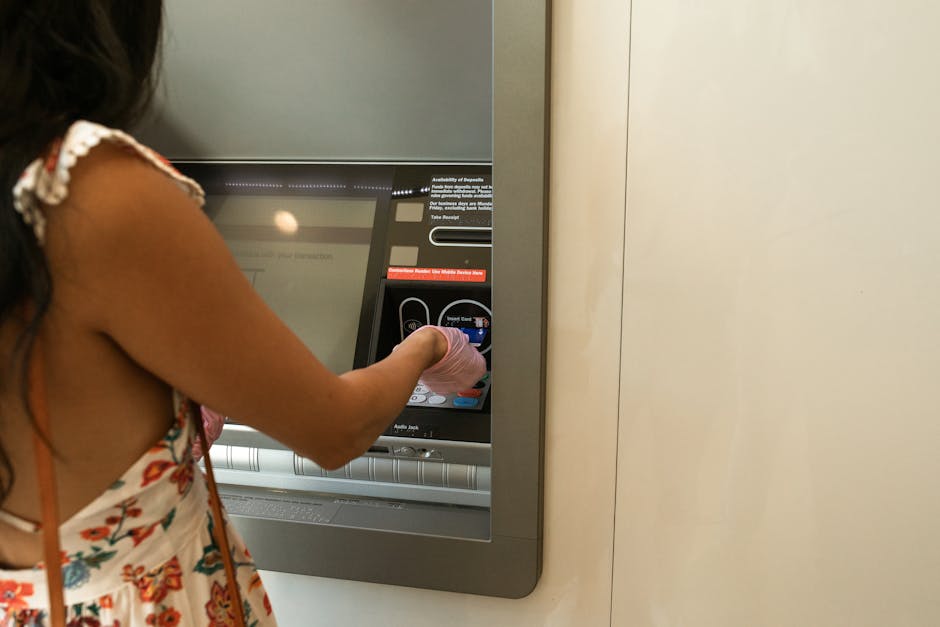
ATMs are readily available in tourist areas like Kuta, Seminyak, Ubud, and Canggu. However, it's crucial to be smart about where and how you withdraw your cash. Here are some tips based on my experiences:
Choose reputable ATMs. Opt for ATMs located inside or attached to established banks like Mandiri, BCA, or CIMB Niaga. These are generally more secure and less prone to scams.
Inspect the ATM before use. Before inserting your card, give the ATM a quick once-over. Look for any signs of tampering, such as loose or unusual attachments around the card slot or keypad. If anything seems suspicious, don't use the ATM.
Be aware of your surroundings. Always be mindful of who is around you when you're using an ATM. Shield the keypad with your hand while entering your PIN to prevent anyone from seeing your code. Avoid using ATMs at night or in isolated areas.
Withdraw smaller amounts more frequently. Instead of withdrawing a large sum of money at once, consider withdrawing smaller amounts more often. This reduces your risk if your card is compromised.
Check your bank's fees and withdrawal limits. Before your trip, contact your bank to inquire about international transaction fees and daily withdrawal limits. Some banks charge hefty fees for each international transaction, which can quickly add up. Also, be aware that Indonesian ATMs typically have withdrawal limits, often around 2,500,000 to 3,000,000 IDR per transaction. You may need to make multiple withdrawals to get the amount you need, incurring multiple fees.
Inform your bank of your travel plans. It's always a good idea to let your bank know that you'll be traveling to Bali. This will prevent them from flagging your transactions as suspicious and potentially blocking your card.
Consider using a travel credit card or debit card. Some travel credit cards and debit cards offer benefits like no foreign transaction fees and ATM fee reimbursements. Research your options and choose a card that suits your needs.
Keep a record of your transactions. After each withdrawal, keep the ATM receipt and check your bank account online to ensure the transaction is accurate. If you notice any discrepancies, contact your bank immediately.
Here's a specific scenario I ran into: I once used an ATM that looked legitimate, but it turned out to be compromised. A week later, I noticed fraudulent charges on my account. Luckily, I had informed my bank of my travel plans, and they were able to quickly investigate and reverse the charges. This experience taught me the importance of being extra cautious when using ATMs abroad.
Credit Cards: Acceptance and Considerations

While cash is king in Bali, credit cards are accepted in many hotels, restaurants, larger shops, and tourist establishments, particularly in popular areas like Kuta, Seminyak, and Ubud. Visa and Mastercard are the most widely accepted. However, it's always a good idea to have cash on hand, especially when venturing outside of the main tourist areas or dealing with smaller businesses.
Be aware of potential surcharges. Some businesses may add a surcharge for credit card transactions, typically around 2-3%. Always ask before paying if there are any additional fees.
Use a credit card with no foreign transaction fees. If you plan to use your credit card frequently, choose one that doesn't charge foreign transaction fees. These fees can quickly add up and eat into your budget.
Keep your credit card in sight. When paying with your credit card, always keep it in sight. Be wary of establishments that take your card to the back room to process the transaction. This could be a sign of fraud.
Review your credit card statements regularly. Check your credit card statements online to monitor your transactions and ensure there are no unauthorized charges. If you notice anything suspicious, contact your bank immediately.
Consider using a travel-specific credit card. Many travel credit cards offer rewards points or miles that can be redeemed for travel expenses. These cards often come with benefits like travel insurance and rental car insurance, which can be helpful during your trip.
Backup your credit card information. Before you leave for Bali, make a copy of your credit card information, including the card number, expiration date, and customer service phone number. Store this information in a safe place separate from your credit card. This will be helpful if your card is lost or stolen.
I once had my credit card declined at a restaurant because my bank hadn't been informed of my travel plans. It was a bit embarrassing, but luckily, I had enough cash to cover the bill. This experience reinforced the importance of notifying your bank before you travel.
Budgeting for Bali: How Much Will You Really Spend?

Budgeting for a trip to Bali can be tricky, as the cost of your vacation will depend on your travel style and preferences. You can experience Bali on a shoestring budget or indulge in luxury, and everything in between. Here's a breakdown of potential expenses to help you plan your budget:
Accommodation
Accommodation costs can vary greatly depending on the type of lodging you choose. Here's a rough estimate:
- Hostels: $5 - $15 USD per night
- Guesthouses: $15 - $30 USD per night
- Mid-range hotels: $30 - $75 USD per night
- Luxury hotels and villas: $100+ USD per night
I've stayed in everything from budget-friendly hostels to luxurious villas in Bali. Hostels are great for solo travelers and those on a tight budget, while guesthouses offer a more local experience. Mid-range hotels provide a good balance of comfort and affordability, while luxury hotels and villas offer top-notch amenities and services.
Food and Drinks
Food in Bali can be incredibly affordable, especially if you eat at local warungs. Here's an estimated cost:
- Warungs (local eateries): $2 - $5 USD per meal
- Mid-range restaurants: $10 - $20 USD per meal
- High-end restaurants: $30+ USD per meal
- Drinks: $1 - $5 USD (depending on the type of drink and location)
I highly recommend trying the local cuisine at warungs. You can find delicious and authentic Indonesian dishes like nasi goreng (fried rice), mie goreng (fried noodles), and gado-gado (vegetable salad with peanut sauce) at very affordable prices. Be sure to try local fruits, too – they're incredibly fresh and flavorful!
Transportation
Transportation costs in Bali can vary depending on how you get around:
- Scooter rental: $5 - $10 USD per day
- Taxis: Varies depending on distance (use reputable taxi services like Blue Bird)
- Ride-hailing apps (Grab, Gojek): Generally more affordable than taxis
- Private car rental with driver: $40 - $60 USD per day
- Buses: Very cheap, but limited routes and often crowded
Renting a scooter is a popular and affordable way to explore Bali, but be sure to wear a helmet and have a valid driver's license. Taxis and ride-hailing apps are convenient for short distances, while private car rentals with a driver are a good option for longer trips or exploring multiple destinations in a day. The Bemo public bus is another option, but it can be a bit confusing to navigate.
Activities and Entrance Fees
Bali offers a wide range of activities and attractions, each with its own entrance fee:
- Temple entrance fees: $2 - $5 USD per temple
- Rice terrace entrance fees: $1 - $3 USD
- Cooking classes: $30 - $50 USD
- Yoga classes: $10 - $20 USD
- Spa treatments: $20 - $100+ USD (depending on the treatment and location)
Plan your activities in advance and factor in the entrance fees. Many temples and attractions also require you to wear appropriate attire, such as a sarong and sash, which can often be rented at the entrance.
Other Expenses
Don't forget to factor in other expenses like:
- Souvenirs: $5 - $50+ USD (depending on what you buy)
- Laundry: $1 - $3 USD per kilogram
- SIM card with data: $5 - $15 USD
- Visa fees (if applicable): Varies depending on your nationality and length of stay
- Travel insurance: Essential for covering unexpected medical expenses or travel disruptions
A realistic daily budget for Bali can range from $30 USD for budget travelers to $150+ USD for luxury travelers. Here's a general breakdown:
- Budget Traveler: $30 - $50 USD per day (hostels, warungs, scooter rental)
- Mid-Range Traveler: $75 - $125 USD per day (guesthouses, mid-range restaurants, taxis)
- Luxury Traveler: $150+ USD per day (luxury hotels, high-end restaurants, private car)
Remember, these are just estimates, and your actual spending may vary. It's always a good idea to have a buffer in your budget for unexpected expenses.
Here's a personal example: On one of my trips to Bali, I was aiming for a mid-range budget. I stayed in comfortable guesthouses, ate at a mix of warungs and mid-range restaurants, and used a combination of taxis and scooter rentals for transportation. I also indulged in a few yoga classes and spa treatments. My daily spending averaged around $80 USD, which was within my budget.
Saving Money in Bali: Tips and Tricks

Want to make your money stretch further in Bali? Here are some tips and tricks I've learned over the years:
Travel during the shoulder season. The shoulder seasons (April-June and September-October) offer a good balance of pleasant weather and fewer crowds, and often lower prices on accommodation and flights.
Haggle politely. Haggling is common in Bali, especially in markets and smaller shops. Don't be afraid to negotiate, but always do so politely and respectfully. Start by offering a lower price than what you're willing to pay and work your way up.
Eat at local warungs. Warungs offer delicious and authentic Indonesian food at very affordable prices. Look for warungs that are popular with locals – that's usually a good sign of quality and value.
Drink local beer. Bintang is the most popular local beer in Bali and is significantly cheaper than imported beers.
Take advantage of free activities. Bali offers plenty of free activities, such as visiting beaches, hiking in rice paddies, and exploring temples (some temples have free admission). Many beaches are free to enter, while some require a small parking fee.
Book accommodation and activities in advance. Booking accommodation and activities in advance, especially during peak season, can often save you money. Look for deals and discounts online.
Consider staying in a homestay. Homestays offer a more local and authentic experience and are often cheaper than hotels. You'll also have the opportunity to interact with Balinese families and learn about their culture.
Use ride-hailing apps. Ride-hailing apps like Grab and Gojek are generally more affordable than taxis and can be a convenient way to get around.
Shop around for souvenirs. Don't buy the first souvenir you see. Shop around and compare prices at different shops and markets before making a purchase.
Use a water filter or buy bottled water. Tap water in Bali is not safe to drink, so either use a water filter or buy bottled water. Buying large bottles of water is more economical and environmentally friendly than buying small bottles.
Learn a few basic Indonesian phrases. Learning a few basic Indonesian phrases, such as "terima kasih" (thank you) and "berapa harga" (how much does it cost), can go a long way in showing respect and building rapport with locals. It might even help you get a better price when haggling!
Scams to Avoid: Stay Alert and Informed

Unfortunately, like any popular tourist destination, Bali has its share of scams. Being aware of these scams and taking precautions can help you avoid becoming a victim. Here are some common scams to watch out for:
ATM skimming: As mentioned earlier, be cautious when using ATMs and inspect them for any signs of tampering. Always shield the keypad when entering your PIN.
Money exchange scams: Some money exchange establishments offer incredibly attractive exchange rates, but they may use deceptive practices to shortchange you. Always count your money carefully and be wary of establishments that seem too good to be true. Stick to reputable money exchange services with clear displays of exchange rates.
Taxi scams: Some taxi drivers may try to overcharge you by not using the meter or taking a longer route. Always insist on using the meter or negotiate the fare in advance. Reputable taxi services like Blue Bird are generally more reliable.
"Broken" meter scams: Some taxi drivers may claim that their meter is broken and try to negotiate a higher fare. Politely refuse and find another taxi.
Fake police scams: Some individuals may pose as police officers and try to extort money from tourists by claiming they have violated some obscure law. Ask to see their identification and insist on going to the police station to resolve the issue. Be wary of anyone who asks you to pay a fine on the spot.
Motorbike rental scams: Some motorbike rental companies may try to charge you for pre-existing damage to the bike. Inspect the bike carefully before renting it and take photos or videos of any damage. Be sure to have valid travel insurance that covers motorbike accidents.
"Helpful" locals scam: Some locals may offer to "help" you with something, such as carrying your bags or finding a taxi, and then demand a large tip. Be wary of unsolicited assistance and politely decline if you don't need help.
Temple donation scams: Some individuals may try to pressure you into making a large donation at a temple. While donations are appreciated, they are not mandatory. Give what you feel comfortable with and don't be pressured into giving more than you can afford.
Be vigilant and trust your instincts. If something feels off, it probably is. Don't be afraid to say no or walk away from a situation that makes you uncomfortable. Report any scams or suspicious activity to the authorities.
Final Thoughts: Enjoying Bali Responsibly

Bali is a magical place with so much to offer. By being financially prepared and aware of potential scams, you can have a safe, enjoyable, and responsible vacation. Remember to respect the local culture, support local businesses, and be mindful of your environmental impact.
Before you go, create a detailed budget, research current exchange rates, and notify your bank of your travel plans. Familiarize yourself with the local currency, be cautious when using ATMs, and be aware of potential scams. Most importantly, relax, have fun, and embrace the beauty of Bali!
So, pack your bags, grab your sunscreen, and get ready for an unforgettable adventure. With a little planning and common sense, you can experience the magic of Bali without breaking the bank. Selamat jalan (safe travels), my friend!
Post a Comment