Photography Tours in Bali: Unlock the Island's Magic Through Your Lens
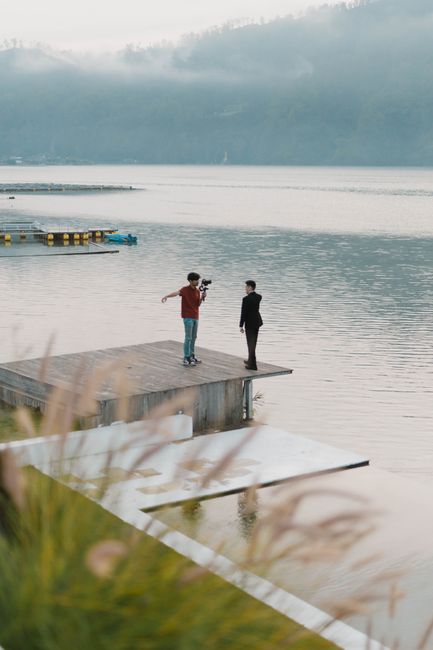
Photography Tours in Bali: Unlock the Island's Magic Through Your Lens
Bali, the "Island of Gods," is a visual feast. From the vibrant green rice terraces cascading down volcanic slopes to the dramatic cliffs overlooking turquoise waters, every corner of this Indonesian paradise seems tailor-made for photographers. But navigating this visual wonderland and truly capturing its essence can be a challenge. That's where photography tours come in. Having experienced several myself, both leading them and participating, I can tell you they're a game-changer for anyone wanting to elevate their Bali photography.
Why Choose a Photography Tour in Bali?

Okay, let's be honest. You can absolutely explore Bali on your own with a camera. I did it for years! But joining a photography tour offers advantages that independent travel simply can't match. Think of it as unlocking a secret level in a video game – suddenly, you have access to hidden areas, insider knowledge, and expert guidance.
1. Access to Hidden Gems and Local Insights:
Bali is more than just the iconic spots you see on Instagram. A good photography tour will take you beyond the tourist traps and introduce you to locations you'd never find on your own. This might involve trekking through rural villages, visiting remote temples nestled in the jungle, or witnessing traditional ceremonies far from the crowds. Local guides often have personal connections and can provide cultural context, enriching your understanding and allowing you to capture more meaningful images.
2. Expert Guidance and Mentorship:
Perhaps the biggest benefit is the opportunity to learn from experienced photographers. These tour leaders are not just familiar with the best locations but are also skilled in the art and craft of photography. They can offer personalized feedback on your technique, composition, and post-processing, helping you to develop your skills and style. I remember struggling with landscape photography until a tour leader showed me some simple techniques for using filters to balance the light – it made a world of difference!
3. Streamlined Logistics and Hassle-Free Travel:
Planning a photography trip can be overwhelming. Arranging transportation, accommodation, permits, and navigating unfamiliar roads can eat into your valuable shooting time. Photography tours take care of all these logistics, allowing you to focus solely on capturing stunning images. This is especially helpful in Bali, where traffic can be unpredictable and language barriers can be challenging.
4. Community and Inspiration:
Traveling with a group of like-minded photographers can be incredibly inspiring. Sharing your passion with others, exchanging ideas, and learning from their experiences can spark new creative directions and motivate you to push your boundaries. I've made lifelong friends on photography tours and have been constantly inspired by their unique perspectives.
What to Look For in a Bali Photography Tour
Not all photography tours are created equal. To ensure you have a truly enriching and rewarding experience, it's important to do your research and choose a tour that aligns with your interests and skill level. Here are some key factors to consider:
1. Tour Leader's Experience and Expertise:
The tour leader is the heart and soul of the experience. Look for someone with a proven track record in photography, ideally with experience shooting in Bali or similar environments. Check their online portfolio, read reviews from previous participants, and don't hesitate to ask them about their teaching philosophy and approach.
2. Itinerary and Locations:
Carefully review the itinerary to ensure it includes the types of locations and subjects that interest you. Do you prefer landscapes, portraits, wildlife, or cultural events? Does the tour focus on iconic landmarks or off-the-beaten-path discoveries? Make sure the itinerary is realistic and allows ample time for shooting and exploration.
3. Group Size and Instructor-to-Participant Ratio:
A smaller group size generally allows for more personalized attention and individualized feedback. A lower instructor-to-participant ratio ensures that you'll have plenty of opportunities to interact with the tour leader and get your questions answered. I find that groups of 6-8 people offer the best balance between social interaction and individualized attention.
4. Accommodation and Transportation:
Consider the quality and location of the accommodation. Is it comfortable, clean, and conveniently located near the shooting locations? Is transportation provided between locations? Is it comfortable and reliable? These seemingly small details can have a big impact on your overall experience.
5. Skill Level and Target Audience:
Some tours are designed for beginners, while others are geared towards more advanced photographers. Make sure the tour you choose is appropriate for your skill level and experience. If you're a beginner, look for a tour that covers basic photography principles and provides hands-on instruction. If you're more experienced, look for a tour that focuses on advanced techniques and challenges you to push your creative boundaries.
6. Price and Inclusions:
Compare the prices of different tours and carefully review what's included. Does the price include accommodation, transportation, meals, entrance fees, and permits? Are there any additional costs you need to be aware of? While price is important, don't make it the sole deciding factor. Consider the overall value and the potential benefits of the tour.
Must-Visit Locations on a Bali Photography Tour
Bali boasts an abundance of photogenic locations, but some stand out as absolute must-visits for any photography enthusiast. Here are a few of my personal favorites:
1. Tegalalang Rice Terraces:
These iconic rice terraces are a photographer's dream. The cascading fields of vibrant green create a stunning visual tapestry, especially during the golden hour. Experiment with different angles and perspectives to capture the depth and scale of the terraces. Look for farmers working in the fields to add a human element to your images.
2. Ulun Danu Beratan Temple:
This picturesque temple sits on the shores of Lake Beratan, surrounded by mountains and mist. The reflections of the temple in the water create a surreal and magical atmosphere. Visit early in the morning to avoid the crowds and capture the best light.
3. Tanah Lot Temple:
Perched dramatically on a rocky outcrop, Tanah Lot Temple is one of Bali's most iconic landmarks. The best time to photograph it is at sunset, when the sky is ablaze with color and the temple is silhouetted against the horizon. Be prepared for crowds, especially during peak season.
4. Sekumpul Waterfalls:
Tucked away in the northern part of Bali, Sekumpul Waterfalls are a hidden gem. The trek to the waterfalls is challenging but rewarding, as you'll be rewarded with breathtaking views of cascading water plunging into a lush jungle. Use a slow shutter speed to create a silky smooth effect.
5. Besakih Temple (Mother Temple):
The most important and holiest Hindu temple in Bali, Besakih is a sprawling complex of shrines and courtyards located on the slopes of Mount Agung. Capture the grandeur of the temple architecture and the vibrant colors of the ceremonial offerings.
6. Ubud Monkey Forest:
This sacred forest is home to hundreds of monkeys, offering unique opportunities for wildlife photography. Be respectful of the animals and avoid making sudden movements or loud noises. Use a telephoto lens to capture close-up portraits of the monkeys.
7. Sunrise at Mount Batur:
Hiking to the summit of Mount Batur for sunrise is an unforgettable experience. The panoramic views from the top are breathtaking, especially as the sun rises over the surrounding landscape. Be prepared for a pre-dawn hike and dress warmly.
Essential Photography Gear for Bali
Packing the right gear is crucial for capturing stunning images in Bali. Here's a list of essential equipment:
1. Camera and Lenses:
A DSLR or mirrorless camera is ideal for capturing high-quality images. A versatile zoom lens (e.g., 24-70mm or 24-105mm) is a must-have for general photography. A wide-angle lens (e.g., 16-35mm) is great for landscapes and architecture. A telephoto lens (e.g., 70-200mm or longer) is useful for wildlife and capturing distant subjects.
2. Tripod:
A sturdy tripod is essential for landscape photography, especially in low-light conditions. It's also useful for creating sharp images when using slow shutter speeds.
3. Filters:
A polarizing filter can help reduce glare and reflections, enhance colors, and darken skies. Neutral density (ND) filters can be used to reduce the amount of light entering the lens, allowing you to use slow shutter speeds in bright conditions. Graduated neutral density (GND) filters can help balance the exposure between the sky and the foreground.
4. Camera Bag:
A comfortable and waterproof camera bag is essential for protecting your gear and carrying it around. Choose a bag that's the right size for your equipment and has plenty of compartments for organizing your accessories.
5. Extra Batteries and Memory Cards:
Always carry extra batteries and memory cards, as you'll likely be shooting a lot of photos and videos. Ensure your batteries are fully charged before each shoot.
6. Rain Cover:
Bali can be rainy, especially during the wet season. A rain cover will protect your camera and lenses from getting wet.
7. Cleaning Supplies:
Bring a lens cleaning cloth, brush, and blower to keep your lenses clean and free from dust and smudges.
Tips for Capturing Stunning Images in Bali
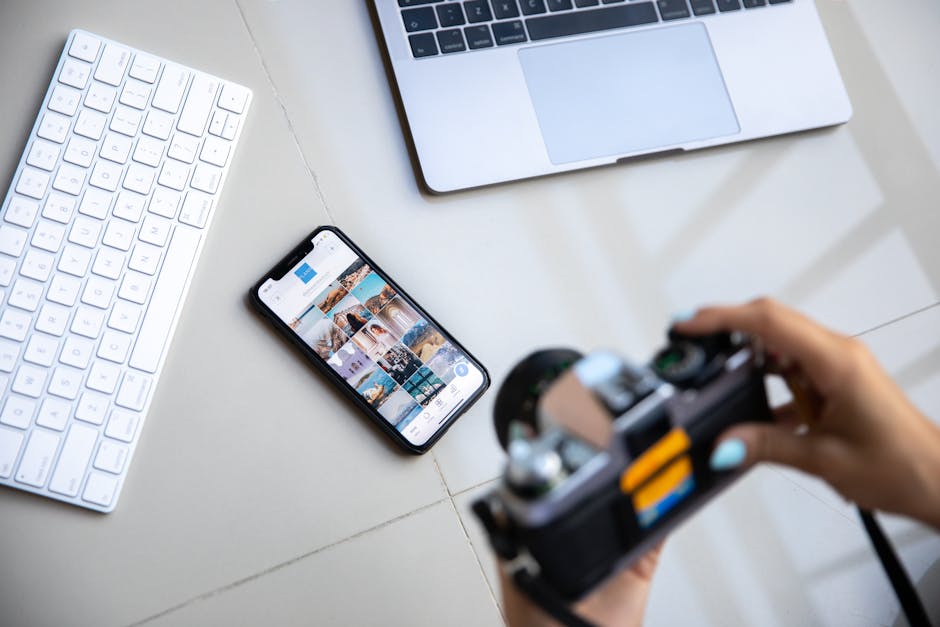
Here are some practical tips for capturing stunning images in Bali:
1. Wake Up Early:
The best light for photography is usually during the golden hour, which is the hour after sunrise and the hour before sunset. Wake up early to capture the soft, warm light and avoid the crowds.
2. Respect Local Culture:
Bali is a deeply spiritual place, so it's important to respect local customs and traditions. Dress modestly when visiting temples and avoid taking photos of people without their permission. Always ask before taking photos of religious ceremonies.
3. Be Patient:
Sometimes it takes time to find the perfect shot. Be patient and don't be afraid to experiment with different angles and perspectives. Wait for the light to change or for the clouds to clear. The best photos are often the result of perseverance.
4. Interact with Locals:
Engage with the local people and learn about their culture. Ask them about their lives and their traditions. You'll be surprised at how willing they are to share their stories. Capturing authentic portraits of the Balinese people can be a rewarding experience.
5. Explore Beyond the Tourist Trail:
Venture beyond the popular tourist spots and explore the hidden corners of Bali. You'll discover unique and authentic experiences that you won't find in the guidebooks. Talk to locals, ask for recommendations, and be open to new adventures.
6. Pay Attention to Composition:
Composition is key to creating visually appealing images. Use the rule of thirds, leading lines, and symmetry to guide the viewer's eye and create a sense of balance and harmony.
7. Experiment with Different Shutter Speeds:
Experiment with different shutter speeds to create different effects. Use a slow shutter speed to blur moving water or clouds, or use a fast shutter speed to freeze action.
8. Master Post-Processing:
Post-processing is an essential part of the photography workflow. Use software like Adobe Lightroom or Photoshop to enhance your images, adjust exposure, contrast, and colors. Be careful not to over-process your images and aim for a natural and realistic look.
Choosing the Right Time to Visit Bali for Photography
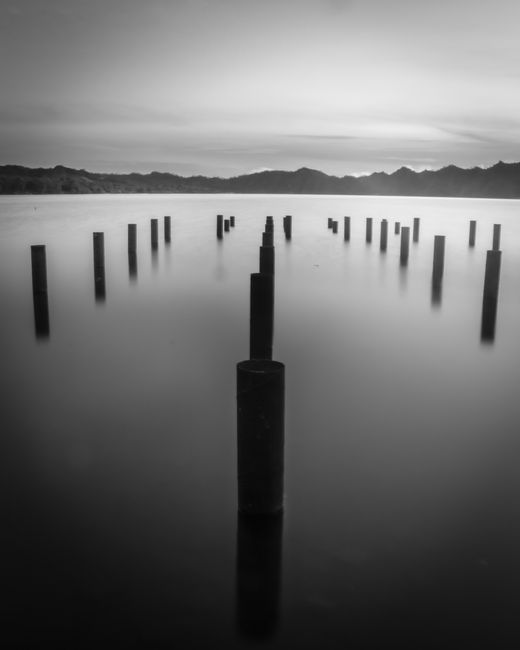
The best time to visit Bali for photography depends on your preferences and priorities. Bali has two main seasons: the dry season (April to September) and the wet season (October to March).
1. Dry Season (April to September):
The dry season is generally considered the best time to visit Bali for photography. The weather is sunny and dry, with low humidity and clear skies. This is ideal for capturing landscapes and outdoor activities. However, the dry season is also the peak tourist season, so expect larger crowds and higher prices.
2. Wet Season (October to March):
The wet season is characterized by rain, humidity, and overcast skies. However, the rain usually comes in short bursts, and there are still plenty of opportunities for photography. The wet season can be a great time to capture lush green landscapes and dramatic skies. The crowds are also smaller, and prices are lower.
3. Shoulder Seasons (April-May and September-October):
The shoulder seasons offer a good balance between weather and crowds. The weather is generally pleasant, with occasional rain, and the crowds are smaller than during the peak season.
Ethical Considerations in Bali Photography
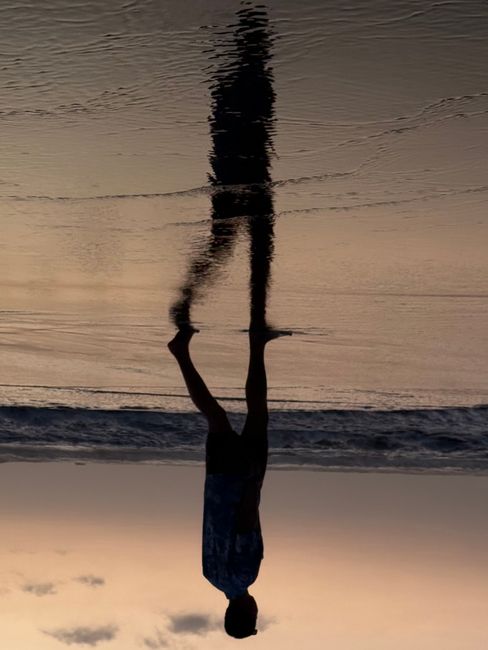
As a photographer, it's important to be mindful of ethical considerations and to respect the local culture and environment. Here are some guidelines to follow:
1. Ask for Permission:
Always ask for permission before taking photos of people, especially in religious or cultural settings. Be respectful of their wishes if they decline.
2. Avoid Exploitation:
Be mindful of the power dynamics between you and your subjects. Avoid taking photos that could be considered exploitative or demeaning. Pay people fairly if you're hiring them to be models or subjects.
3. Respect Sacred Sites:
Dress modestly and follow the rules when visiting temples and other sacred sites. Avoid touching or climbing on sacred objects. Do not disturb religious ceremonies.
4. Minimize Your Impact:
Be mindful of your environmental impact. Avoid littering, stay on designated trails, and do not disturb wildlife or natural habitats. Support local businesses that are committed to sustainability.
5. Be Aware of Copyright:
Be aware of copyright laws and regulations. Obtain permission before using images of copyrighted artwork or architecture for commercial purposes.
Beyond the Lens: Immersing Yourself in Balinese Culture
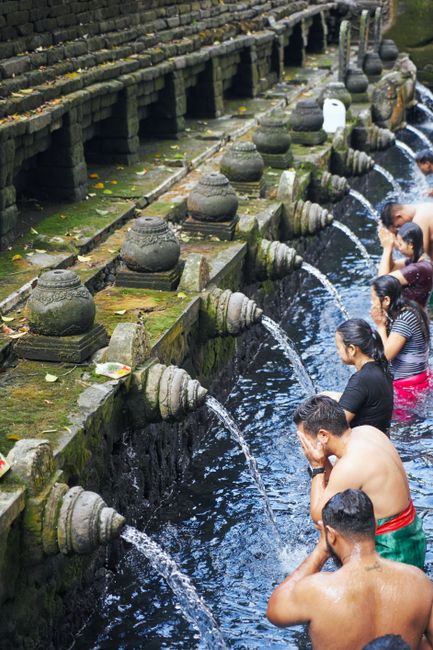
While photography is a fantastic way to capture the beauty of Bali, it's equally important to immerse yourself in the local culture and connect with the people. Here are some ways to enrich your experience:
1. Learn Basic Bahasa Indonesia:
Learning a few basic phrases in Bahasa Indonesia will go a long way in building rapport with the locals. Simple greetings like "Selamat pagi" (Good morning) and "Terima kasih" (Thank you) will be appreciated.
2. Attend a Balinese Dance Performance:
Balinese dance is a captivating art form that combines intricate movements, vibrant costumes, and traditional music. Attend a performance to experience the beauty and grace of Balinese culture.
3. Take a Cooking Class:
Learn how to prepare traditional Balinese dishes in a cooking class. You'll gain insights into the local cuisine and learn about the unique ingredients and flavors of Bali.
4. Visit a Local Market:
Explore the bustling atmosphere of a local market and experience the sights, sounds, and smells of Balinese life. Sample local fruits, vegetables, and snacks.
5. Stay in a Homestay:
Consider staying in a homestay rather than a hotel to experience Balinese hospitality and learn about local life firsthand. You'll have the opportunity to interact with a Balinese family and share meals with them.
6. Learn About Balinese Hinduism:
Balinese Hinduism is a unique blend of Hinduism, Buddhism, and indigenous beliefs. Learn about the key concepts and practices of Balinese Hinduism to gain a deeper understanding of the local culture.
My Personal Experiences and Recommendations

Over the years, I've had the incredible opportunity to both participate in and lead photography tours in Bali. Some of my most cherished memories include:
a. Witnessing a vibrant cremation ceremony in a small village, a powerful and moving experience that offered a glimpse into the Balinese perspective on life and death.
b. Trekking through rice paddies with local farmers, learning about their traditional farming practices and capturing their portraits as they worked in the fields.
c. Sharing tips and techniques with aspiring photographers, watching their skills develop, and seeing their passion for photography blossom.
Based on my experiences, I highly recommend considering a photography tour as a way to enhance your Bali experience. It's a unique opportunity to improve your photography skills, explore hidden gems, and connect with the local culture.
When choosing a tour, remember to prioritize the leader's experience, the itinerary's focus, the group size, and the ethical considerations. By doing your research and choosing wisely, you can unlock the magic of Bali and capture memories that will last a lifetime.
So, grab your camera, pack your bags, and get ready to embark on an unforgettable photographic journey through the Island of Gods!
Post a Comment