Scuba Diving in Bali: Sunken Treasures & Vibrant Reefs - A Dive Lover's Paradise
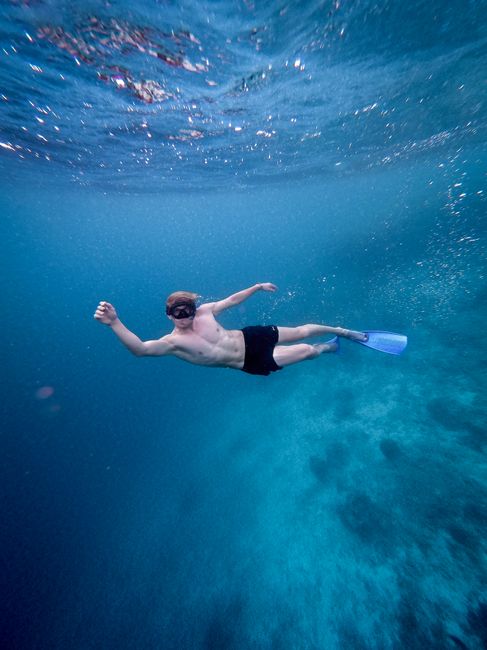
Scuba Diving in Bali: Sunken Treasures & Vibrant Reefs - A Dive Lover's Paradise
Bali. Just the name conjures images of lush rice paddies, ancient temples, and stunning beaches. But beneath the turquoise waves surrounding this Indonesian island lies another world, a vibrant and captivating underwater paradise teeming with life. As a passionate scuba diver, I can honestly say that Bali offers some of the most diverse and unforgettable diving experiences I've ever had. From exploring historic shipwrecks to drifting along colorful coral reefs, Bali has something to offer every diver, regardless of skill level. I'm excited to share my own experiences and tips to help you plan your own incredible Balinese diving adventure.
Why Choose Bali for Your Scuba Diving Holiday?
Okay, so you're thinking about a diving trip. Why Bali? Well, for starters, the sheer variety of dive sites is astounding. You can literally experience something new every day. Here's what makes it so special:
- Diverse Marine Life: Bali is located in the Coral Triangle, the global center of marine biodiversity. This means you'll encounter an incredible array of fish, corals, crustaceans, and more. Think manta rays, mola mola (sunfish), reef sharks, turtles, nudibranchs... the list goes on and on!
- Wreck Diving: Bali is home to some truly spectacular shipwrecks, most notably the USS Liberty in Tulamben. These wrecks provide fascinating glimpses into history and are now thriving artificial reefs.
- Stunning Reefs: From the vibrant coral gardens of Menjangan Island to the drift dives of Nusa Penida, Bali's reefs are bursting with color and life.
- Easy Access: Bali has an international airport with direct flights from many major cities. Getting to the dive sites is generally straightforward, with numerous dive operators offering transportation and accommodation packages.
- Affordability: Compared to other world-class diving destinations, Bali offers excellent value for money. You can find a range of options to suit different budgets, from budget-friendly guesthouses to luxurious resorts.
- Warm Water: The water temperature in Bali is generally warm year-round, typically ranging from 27°C to 30°C (80°F to 86°F). This means you can dive comfortably with a thin wetsuit or even just a rash guard in some areas.
- Strong Diving Infrastructure: Bali has a well-established diving industry with numerous reputable dive centers offering courses, guided dives, and equipment rental. You'll find experienced instructors and dive guides who can cater to divers of all levels.
Beyond the diving itself, Bali also offers a rich culture, delicious food, and stunning natural beauty. You can easily combine your diving adventures with exploring temples, hiking through rice paddies, or simply relaxing on the beach.
Top Dive Sites in Bali: My Personal Favorites

Now, let's dive into (pun intended!) some of my favorite dive sites in Bali. I've categorized them based on location to make it easier to plan your itinerary.
Tulamben: Wreck Diving Paradise
Tulamben, located on Bali's northeast coast, is best known for the USS Liberty wreck. This iconic shipwreck is a must-dive for any diver visiting Bali. Sunk by a Japanese submarine during World War II, the USS Liberty now lies just a short swim from the shore, making it easily accessible for shore dives.
USS Liberty: Imagine swimming around a massive shipwreck, now teeming with marine life. That's the USS Liberty. Over the years, it has become a vibrant artificial reef, home to a diverse array of creatures, including schooling jacks, barracuda, bumphead parrotfish, and even the occasional reef shark. The wreck is relatively shallow, with the top reaching around 5 meters (16 feet) and the bottom around 30 meters (100 feet), making it suitable for divers of all levels. I've dived the Liberty countless times, and I always discover something new. The sheer scale of the wreck and the abundance of life are truly awe-inspiring. Try to dive it early in the morning to avoid the crowds and enjoy the best visibility.
Coral Garden: Just a short distance from the USS Liberty is the Coral Garden, a shallow reef perfect for beginners and snorkelers. This vibrant reef is home to colorful corals, anemones, and a variety of reef fish. It's a great spot to practice your buoyancy and get comfortable in the water before tackling the wreck.
Drop Off: Another popular dive site in Tulamben is the Drop Off, a steep wall that plunges into the depths. This site is known for its diverse marine life, including larger pelagic species like tuna and sharks. The currents can be strong here, so it's best suited for experienced divers.
Amed: Tranquil Diving & Black Sand Beaches
Amed, located just east of Tulamben, offers a more laid-back diving experience. The area is known for its black sand beaches, traditional fishing villages, and stunning views of Mount Agung.
Japanese Wreck: This small, relatively intact wreck is located in a sheltered bay in Amed. It's a great site for beginners and macro photographers, as it's home to a variety of nudibranchs, frogfish, and other small creatures. The wreck is also covered in colorful corals and sponges, making it a visually appealing dive.
Amed Wall: The Amed Wall is a stunning vertical wall that drops to a depth of over 40 meters (130 feet). The wall is covered in colorful corals, sponges, and gorgonian fans, and is home to a variety of reef fish, including angelfish, butterflyfish, and parrotfish. The currents can be strong here, so it's best suited for experienced divers.
Jemeluk Bay: This sheltered bay offers calm and clear waters, making it a great spot for snorkeling and beginner divers. The bay is home to a variety of colorful corals and reef fish, and you may even spot a turtle or two.
Nusa Penida & Nusa Lembongan: Manta Rays & Mola Mola
Nusa Penida and Nusa Lembongan, two small islands located southeast of Bali, are renowned for their incredible drift dives and the chance to see manta rays and mola mola (sunfish).
Manta Point: As the name suggests, Manta Point is the place to go to see manta rays in Bali. This site is a cleaning station where manta rays come to have parasites removed by cleaner wrasse. You can often see multiple manta rays gracefully gliding through the water, a truly unforgettable experience. The currents can be strong here, but the opportunity to see these magnificent creatures is well worth it.
Crystal Bay: Crystal Bay is famous for its mola mola (sunfish), also known as the oceanic sunfish. These bizarre-looking fish are the heaviest bony fish in the world and are often found in the cooler waters of Crystal Bay during the dry season (July to October). The visibility can be variable here, but the chance to see a mola mola is a major draw for divers.
Toyapakeh: Toyapakeh is a vibrant coral reef located between Nusa Penida and Nusa Lembongan. This site is known for its strong currents, which bring in a constant supply of nutrients, supporting a rich diversity of marine life. You can expect to see colorful corals, reef fish, and larger pelagic species like tuna and sharks.
Mangrove Point: A drift dive along a gentle slope, Mangrove Point is a fantastic spot for beginner drift divers. The currents are typically mild, and the reef is teeming with colorful fish and invertebrates. It's a great place to practice your buoyancy and enjoy the underwater scenery.
Menjangan Island: Pristine Reefs & Calm Waters
Menjangan Island, located off the northwest coast of Bali, is part of the West Bali National Park. The island is known for its pristine reefs, calm waters, and excellent visibility, making it a great destination for divers of all levels.
Eel Garden: As the name suggests, Eel Garden is home to a large colony of garden eels. These shy creatures live in burrows in the sand and pop their heads out to feed. The reef is also home to a variety of other marine life, including colorful corals, reef fish, and nudibranchs.
Pos II: Pos II is a stunning wall dive with abundant coral growth and diverse fish life. The visibility is typically excellent, and the currents are usually mild. It's a great place to spot larger fish like groupers and snappers, as well as smaller creatures like nudibranchs and sea horses. This spot is known for its healthy hard corals.
Anchor Wreck: This wooden wreck, rumored to be a Dutch ship, is located in relatively shallow water and is covered in corals and sponges. The wreck is home to a variety of reef fish, including scorpionfish, frogfish, and lionfish. It's a great dive for photographers and those interested in exploring historical wrecks.
Tips for Planning Your Bali Dive Trip

Ready to start planning your Bali diving adventure? Here are a few tips to help you make the most of your trip:
- Best Time to Dive: Bali offers year-round diving, but the best time to visit is during the dry season (April to October). During this time, the weather is generally sunny and dry, the water is calmer, and the visibility is better. However, the shoulder seasons (April-May and September-October) often offer a good balance of good weather and fewer crowds.
- Dive Certification: Make sure you have a valid dive certification from a recognized organization like PADI, SSI, or NAUI. If you're not yet certified, Bali is a great place to learn to dive. Many dive centers offer courses for beginners.
- Dive Insurance: It's essential to have dive insurance that covers medical emergencies, evacuation, and recompression treatment. DAN (Divers Alert Network) is a reputable provider of dive insurance.
- Choose a Reputable Dive Operator: Do your research and choose a dive operator that is experienced, safety-conscious, and environmentally responsible. Read reviews online and ask for recommendations from other divers.
- Book in Advance: Bali is a popular tourist destination, so it's a good idea to book your flights, accommodation, and dive trips in advance, especially during the peak season.
- Pack Appropriately: Pack light clothing, swimwear, sunscreen, a hat, and sunglasses. You'll also need your dive certification card, logbook, and any personal dive gear you prefer to use. Most dive centers provide rental equipment, but it's always a good idea to bring your own mask and fins if you have them.
- Stay Hydrated: Diving can be dehydrating, so drink plenty of water throughout the day. Avoid sugary drinks and alcohol, as they can further dehydrate you.
- Protect the Environment: Be a responsible diver and avoid touching or damaging corals and other marine life. Don't use single-use plastics and dispose of your trash properly. Choose dive operators that are committed to sustainable tourism practices.
- Be Aware of Currents: Bali is known for its strong currents, especially around Nusa Penida. Listen to your dive guide and follow their instructions carefully. Use a surface marker buoy (SMB) to alert boats to your location when surfacing.
- Respect Local Culture: Bali is a Hindu island with a rich culture and traditions. Dress modestly when visiting temples and other religious sites. Be respectful of local customs and traditions.
Diving Safety: A Few Words of Caution

Scuba diving is an amazing experience, but it's important to remember that it's also an activity with inherent risks. Here are a few safety tips to keep in mind:
- Never dive alone: Always dive with a buddy or a qualified dive guide.
- Plan your dive: Discuss the dive plan with your buddy or dive guide before entering the water. This includes the maximum depth, bottom time, and emergency procedures.
- Check your equipment: Before each dive, carefully inspect your equipment to make sure it's in good working order.
- Monitor your air supply: Regularly check your air gauge and signal your buddy or dive guide if you're running low on air.
- Control your buoyancy: Maintain neutral buoyancy to avoid touching or damaging corals and other marine life.
- Ascend slowly: Ascend at a rate of no more than 18 meters (60 feet) per minute. Make a safety stop at 5 meters (15 feet) for 3 minutes before surfacing.
- Listen to your body: If you feel unwell or uncomfortable at any point during the dive, signal your buddy or dive guide and ascend immediately.
- Avoid diving after drinking alcohol: Alcohol can impair your judgment and increase the risk of decompression sickness.
- Wait 12-24 hours before flying: After diving, wait at least 12 hours before flying if you've only done one dive. If you've done multiple dives or deep dives, wait at least 24 hours.
Beyond the Dive: Exploring Bali

While the underwater world is the main attraction for divers, Bali offers so much more to explore. Take some time to visit the island's stunning temples, hike through the lush rice paddies, or relax on the beautiful beaches.
Temples: Bali is known as the "Island of a Thousand Temples." Some of the most famous temples include Tanah Lot, Uluwatu, Besakih, and Ulun Danu Beratan. Each temple has its own unique history and architecture, and they are all worth visiting.
Rice Paddies: The rice paddies of Bali are a UNESCO World Heritage Site and are a must-see for any visitor. The Tegallalang Rice Terraces near Ubud are particularly stunning.
Beaches: Bali has a variety of beaches to suit all tastes, from the black sand beaches of Amed to the white sand beaches of Nusa Dua. Kuta Beach is popular for surfing and nightlife, while Seminyak Beach is known for its upscale restaurants and bars. Sanur Beach is a great option for families with young children.
Ubud: Ubud is the cultural heart of Bali and is a great place to experience Balinese art, music, and dance. You can visit art galleries, watch traditional dance performances, or take a cooking class.
Mount Batur: For the adventurous, a sunrise trek up Mount Batur is a must-do. The views from the summit are breathtaking.
Final Thoughts: Bali Awaits!

Bali truly is a diver's paradise. The combination of diverse dive sites, abundant marine life, warm water, and affordable prices makes it an ideal destination for divers of all levels. Whether you're a seasoned wreck diver, a macro photography enthusiast, or a beginner looking to get certified, Bali has something to offer you. So, pack your bags, grab your dive gear, and get ready to explore the underwater wonders of this magical island. I promise you won't be disappointed!
Post a Comment