Shopping for Souvenirs in Bali: My Guide to the Best Finds & Where to Get Them
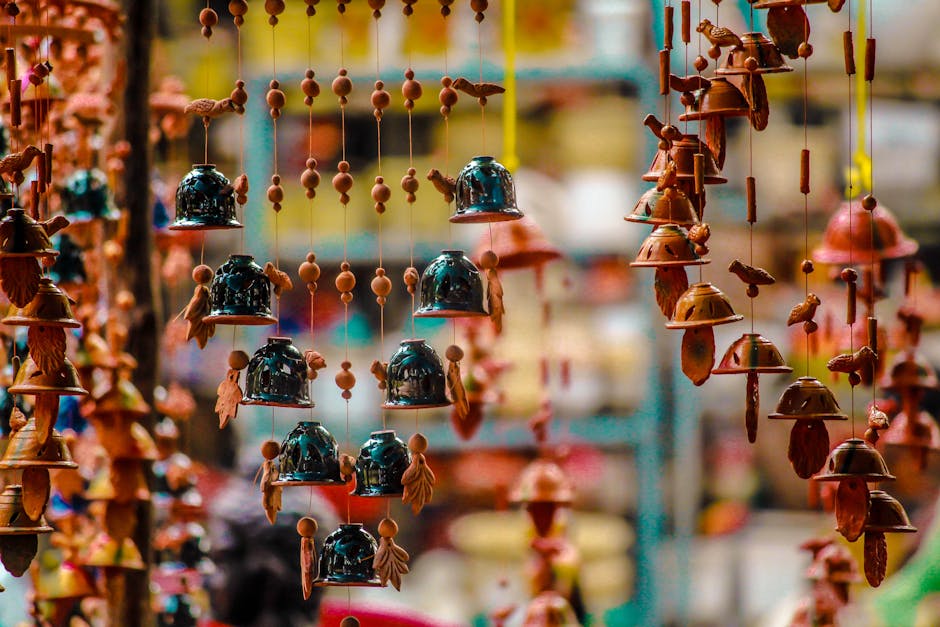
Shopping for Souvenirs in Bali: My Guide to the Best Finds & Where to Get Them
Ah, Bali! The Island of Gods, a paradise on Earth, and a shopper's dream come true (or a shopper's nightmare, depending on your perspective and baggage allowance!). I've been lucky enough to visit Bali several times, and each time I find myself drawn into the vibrant markets and charming boutiques, searching for that perfect something to remind me of my time there. It's so much more than just t-shirts; it's about bringing back a piece of the island's soul.
But let's be honest, souvenir shopping can be overwhelming. There's so much choice, and sometimes it's hard to know what's genuinely authentic and worth your money. That's where I come in! Consider me your personal Bali shopping guide. I'm going to share my tried-and-tested tips, favourite finds, and the best places to hunt for treasures without getting totally lost in the tourist traps. Ready? Let's dive in!
Why Souvenir Shopping in Bali is an Experience

Souvenir shopping in Bali isn't just about buying something; it's about immersing yourself in the Balinese culture. It's a chance to interact with local artisans, learn about their craft, and appreciate the artistry that goes into creating these beautiful pieces. Think of it as a cultural exchange, a way to support local communities, and a way to bring a little bit of Balinese magic back home with you.
I remember my first trip to Ubud. I was wandering through the art market, completely mesmerized by the intricate wood carvings, the vibrant batiks, and the scent of incense hanging in the air. I spent hours just talking to the vendors, learning about their families, their art, and their lives. It was an experience that enriched my trip and made those souvenirs even more meaningful. It was about connecting with the people, not just buying a product.
Must-Buy Souvenirs in Bali: My Top Picks

Okay, let's get down to the nitty-gritty. What should you actually buy? Here are some of my personal favourites, souvenirs that I've actually purchased and cherished over the years:
- Wood Carvings: Bali is famous for its intricate wood carvings, from small figurines to large, elaborate panels. Look for carvings depicting deities, animals, or scenes from Balinese mythology. The craftsmanship is truly impressive, and they make stunning additions to any home. I have a beautiful Garuda statue that I bought in Ubud that always gets compliments.
- Batik Textiles: Batik is a traditional Indonesian textile art where wax is applied to fabric before dyeing, creating intricate patterns and designs. You can find batik in clothing, wall hangings, and even accessories. Look for authentic batik, which is hand-drawn or hand-stamped, as opposed to mass-produced printed fabrics. It's worth investing in a well-made piece; the quality is so much better.
- Silver Jewellery: Celuk Village is the silver capital of Bali, and you'll find an incredible array of silver jewellery there. From delicate earrings to statement necklaces, there's something for every taste. Be sure to bargain and compare prices before you buy. I picked up a beautiful silver ring with a small gemstone for a steal!
- Coffee and Spices: Bali is a coffee lover's paradise! Balinese coffee is rich, flavourful, and perfect for bringing home a taste of the island. Don't forget to try (and buy!) Kopi Luwak, the famous (and expensive!) civet coffee. Also, stock up on local spices like vanilla beans, cinnamon, and cloves to add a touch of Balinese flavour to your cooking. A little spice market visit will also add some character to your journey.
- Incense and Essential Oils: The scent of incense is synonymous with Bali, and you can find a wide variety of fragrances to bring home. Also, Bali is known for its essential oils, which are used in traditional Balinese massage and aromatherapy. Lavender, sandalwood, and frangipani are popular choices. My favourite is a blend of ylang-ylang and jasmine – it instantly transports me back to Bali whenever I smell it.
- Dream Catchers: Okay, these might seem a bit cliché, but I love them! They're a fun, colorful addition to any room. Bali has some particularly intricate and beautiful dream catchers that are worth checking out.
- Sarongs: A versatile piece of fabric that can be used as a beach wrap, a skirt, a shawl, or even a tablecloth. You can find sarongs in a variety of colours and patterns, and they make a great lightweight souvenir. Plus, you'll need one to enter temples!
- Balinese Paintings: Ubud is the artistic heart of Bali, and you'll find a plethora of art galleries selling Balinese paintings. From traditional scenes to contemporary art, there's something for every art lover. Be prepared to haggle for the best price.
- Stone Carvings: Similar to wood carvings, Bali is also known for its stone carvings. From small statues to intricate fountains, these carvings are often used in gardens and outdoor spaces.
- Handmade Soaps & Beauty Products: Bali is increasingly known for natural and handmade beauty products. Look for soaps, lotions, and scrubs made with local ingredients like coconut oil, frangipani, and aloe vera. They make great gifts and are a nice way to support local artisans.
Where to Shop: Navigating Bali's Markets and Boutiques
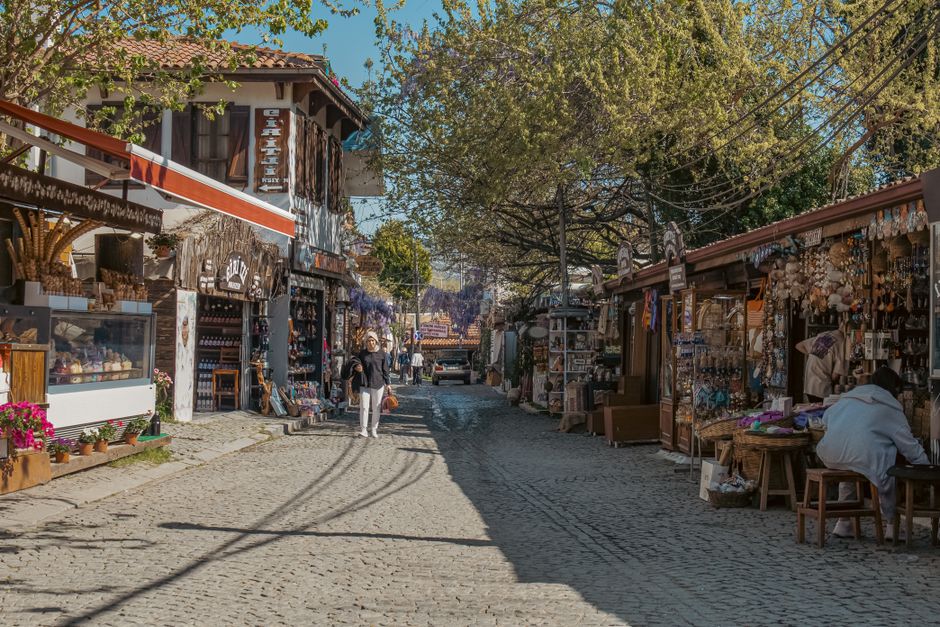
Alright, you know what to buy, but where do you actually find these treasures? Bali has a diverse range of shopping options, from bustling markets to upscale boutiques. Here's my breakdown of the best places to shop:
- Ubud Art Market: This is a must-visit for any shopper in Bali. You'll find a huge selection of handicrafts, clothing, jewellery, and art. Be prepared to haggle, and don't be afraid to walk away if you don't like the price. The vendors are generally friendly and welcoming.
- Sukawati Art Market: Similar to the Ubud Art Market, but often with lower prices. It's a bit further out from the main tourist areas, so it tends to be less crowded.
- Celuk Village: The place to go for silver jewellery. You can watch the silversmiths at work and find unique, handcrafted pieces. Again, haggle for the best price.
- Guwang Art Market: Another great option for art and handicrafts. It's located near Sukawati and is a good alternative if you want to avoid the crowds.
- Seminyak Boutiques: If you're looking for more upscale shopping, head to Seminyak. You'll find designer boutiques, trendy clothing stores, and stylish homeware shops. Prices are higher here, but the quality is generally better.
- Canggu Markets: Canggu is known for its bohemian vibe, and you'll find a variety of markets selling clothing, jewellery, and accessories. These markets often have a more unique and independent feel than the larger art markets.
- Local Warungs and Shops: Don't overlook the smaller local shops and warungs (small restaurants). You can often find unique souvenirs and handicrafts at great prices. Plus, you're supporting local businesses.
- Supermarkets: For things like coffee, spices, and snacks, supermarkets like Bintang Supermarket are a good option. Prices are fixed, and you can be sure of the quality.
Haggling Like a Pro: Tips and Tricks for Bargaining in Bali

Haggling is a part of the Balinese shopping experience, so embrace it! It's expected in most markets and smaller shops (but not in department stores or fixed-price boutiques). Don't be afraid to negotiate for a better price, but always do it with a smile and respect. Here are some tips to help you haggle like a pro:
- Start Low: Begin by offering a price that is significantly lower than what the vendor is asking. A good starting point is often around 30-50% of the initial price.
- Be Polite: Always be polite and friendly, even if you're not getting the price you want. A smile and a friendly conversation can go a long way.
- Walk Away: If you're not happy with the price, be prepared to walk away. Often, the vendor will call you back and offer a better price.
- Compare Prices: Before you start haggling, take some time to compare prices at different stalls. This will give you a better idea of what a fair price is.
- Bundle Items: If you're buying multiple items from the same vendor, you can often get a better price by bundling them together.
- Pay in Cash: Cash is king in Bali, and you're more likely to get a better price if you pay in cash.
- Know Your Limit: Decide on a maximum price you're willing to pay before you start haggling, and stick to it.
- Remember it's a livelihood: Keep in mind that the vendors are trying to make a living. Don't try to squeeze them too much; be fair and reasonable.
Avoiding Tourist Traps and Scams

While Bali is generally a safe and friendly place, it's always wise to be aware of potential tourist traps and scams. Here are a few things to watch out for:
- Overpriced Goods: Be wary of shops that seem to be selling the same items at significantly higher prices than other shops. Always compare prices before you buy.
- Fake Antiques: Be careful when buying antiques. Many "antique" items are actually reproductions. If you're not an expert, it's best to avoid buying antiques altogether.
- Pushy Vendors: Some vendors can be quite persistent, which can be overwhelming. If you're not interested in something, be firm but polite in your refusal.
- Transportation Scams: Agree on a price with taxi drivers or private drivers before you start your journey. Also, be wary of drivers who offer unsolicited tours or shopping trips.
- Money Changers: Only use reputable money changers to exchange your currency. Avoid money changers who offer unrealistically high exchange rates.
My own experience taught me a valuable lesson. On my second trip, I was so excited to buy some "authentic" silver jewellery from a roadside vendor. I didn't haggle much (I was still a newbie!), and I ended up paying way too much for something that turned out to be fake. Now, I always do my research and shop at reputable places, especially for higher-value items.
Beyond the Souvenir: Experiences to Cherish

While souvenirs are a nice way to remember your trip, sometimes the best souvenirs are the experiences you have. Consider investing in experiences that will create lasting memories, such as:
- Cooking Class: Learn how to cook traditional Balinese dishes and bring those skills back home with you.
- Massage or Spa Treatment: Indulge in a traditional Balinese massage or spa treatment. It's a great way to relax and rejuvenate.
- Yoga Class: Bali is a popular destination for yoga retreats, and you can find a variety of yoga classes to suit all levels.
- Traditional Dance Performance: Attend a traditional Balinese dance performance and learn about the island's rich culture.
- Visit a Temple: Explore Bali's stunning temples and learn about the Balinese Hindu religion.
- Hiking or Trekking: Hike through rice paddies or trek up a volcano for breathtaking views of the island.
- Surfing Lesson: Learn to surf in one of Bali's world-famous surf breaks.
Packing and Shipping Your Souvenirs

Once you've bought all your souvenirs, you need to figure out how to get them home! Here are some tips for packing and shipping your treasures:
- Pack Carefully: Wrap fragile items in bubble wrap or newspaper to prevent them from breaking during transport.
- Use a Sturdy Suitcase: Choose a suitcase that is durable and can withstand the rigours of travel.
- Consider Shipping: If you've bought a lot of heavy or bulky items, consider shipping them home. There are several shipping companies in Bali that offer reliable service.
- Declare Your Purchases: Be sure to declare your purchases at customs when you return home. You may have to pay duty on certain items.
- Check Airline Baggage Allowance: Before you start packing, check your airline's baggage allowance to avoid overweight baggage fees.
I once bought a huge wooden mask on a whim and then realised I had absolutely no way to get it home! I ended up having to ship it, which was surprisingly expensive. Now, I always think about logistics before I buy anything large or heavy.
Supporting Local Artisans and Sustainable Practices
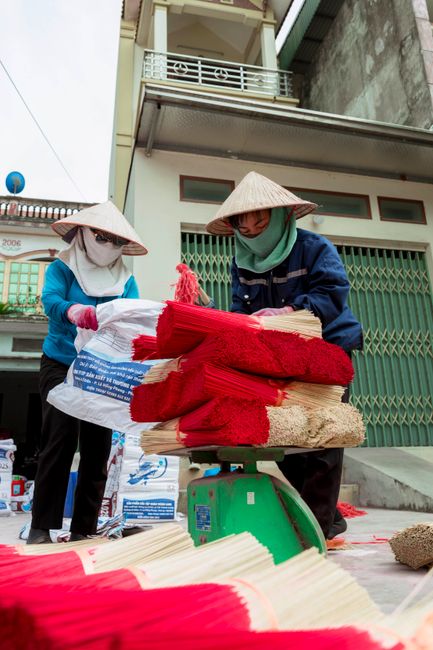
When shopping for souvenirs in Bali, it's important to be mindful of the impact your purchases have on local communities and the environment. Here are some ways to support local artisans and sustainable practices:
- Buy Directly from Artisans: Support local artisans by buying directly from them at markets or workshops. This ensures that they receive a fair price for their goods.
- Look for Fair Trade Products: Choose products that are certified fair trade, which means that the artisans have been paid a fair wage and work in safe conditions.
- Support Sustainable Practices: Look for products made from sustainable materials, such as bamboo, recycled paper, or organic cotton.
- Avoid Buying Endangered Species Products: Avoid buying products made from endangered species, such as ivory or coral.
- Refuse Plastic Bags: Bring your own reusable shopping bags to reduce plastic waste.
By making conscious choices, you can help support the local economy, protect the environment, and ensure that the Balinese culture thrives for generations to come.
My Final Thoughts: More Than Just a Souvenir

Shopping for souvenirs in Bali is more than just buying things; it's about connecting with the culture, supporting local communities, and bringing home a piece of the island's magic. By being mindful, respectful, and adventurous, you can create a shopping experience that is both rewarding and meaningful.
So, go forth and explore the vibrant markets and charming boutiques of Bali. Haggle with a smile, support local artisans, and find those perfect souvenirs that will remind you of your unforgettable journey. And most importantly, remember that the best souvenirs are often the memories you make along the way. Selamat berbelanja (happy shopping)!
I hope this guide has been helpful. Happy travels and happy shopping!
Post a Comment