Tipping in Bali: Your Friendly Guide to Navigating the Island's Gratuity Culture

Tipping in Bali: Your Friendly Guide to Navigating the Island's Gratuity Culture
Hey there, fellow traveler! So, you're planning a trip to the magical island of Bali? Fantastic! Get ready for stunning landscapes, vibrant culture, and incredibly friendly people. But, before you dive headfirst into paradise, let's talk about something that often causes confusion: tipping. Figuring out tipping etiquette anywhere can be tricky, and Bali is no exception. Don't worry, though; I'm here to break it down for you, based on my own experiences and observations, so you can navigate the world of Balinese gratuity with confidence and grace.
Understanding the Balinese Perspective on Tipping

First things first, let's ditch the idea that Bali operates on the same tipping system as, say, the United States. While tipping is becoming more common, it's not as ingrained in the culture. Historically, Balinese people valued community and sharing, and fair wages were seen as essential. However, with the rise of tourism, tipping has become more prevalent, especially in tourist-heavy areas. It's seen as a way to show appreciation for exceptional service, but it's generally not expected in every situation.
It's crucial to remember that the minimum wage in Bali is relatively low, especially for those in the service industry. So, a small tip can really make a difference to someone's income. But, it's also important to avoid creating a "tipping culture" that feels forced or unnatural. It's a balance, really, between being generous and respecting the local customs.
When is Tipping Appropriate in Bali?

Okay, so now you're probably wondering: "Alright, but when should I actually tip?" Good question! Here's a breakdown of scenarios where tipping is generally appreciated:
- Restaurants: This is probably the most common scenario.
- Restaurants with service charge: Many restaurants, especially in tourist areas, automatically add a service charge (usually around 10%) and sometimes a government tax. Check your bill carefully! If a service charge is included, tipping isn't necessary, though you can still round up if you feel the service was exceptional.
- Restaurants without service charge: If there's no service charge, a tip of 5-10% is a good rule of thumb for good service. For truly outstanding service, you can certainly go higher.
- Spas and Massages: After a relaxing Balinese massage (and trust me, you'll want one!), a tip of 10-15% is customary if you were happy with the service. This is a way to show your appreciation for the therapist's skill and attention.
- Drivers: If you hire a driver for the day, which I highly recommend for exploring the island, tipping is definitely appreciated. How much you tip depends on the length of the trip and the quality of the service.
- Half-day trip: For a half-day tour, a tip of IDR 50,000 - IDR 100,000 (roughly $3-$7 USD) is a good starting point.
- Full-day trip: For a full-day adventure, IDR 100,000 - IDR 200,000 (roughly $7-$14 USD) is a generous and appropriate tip.
- Exceptional service: If your driver went above and beyond – offering insightful local knowledge, making extra stops, or simply being incredibly helpful – feel free to tip more.
- Tour Guides: Similar to drivers, tipping tour guides is a thoughtful gesture. Again, the amount depends on the length and quality of the tour. A tip of IDR 50,000 - IDR 100,000 per person for a half-day tour, and IDR 100,000 - IDR 200,000 per person for a full-day tour, is a reasonable guideline.
- Hotel Staff: While not always expected, tipping hotel staff for exceptional service is a nice way to show your appreciation.
- Porters: IDR 10,000 - IDR 20,000 per bag is a fair tip for porters who help you with your luggage.
- Housekeeping: Leaving a small tip for housekeeping staff is a considerate gesture. IDR 20,000 - IDR 50,000 per day is a good guideline, depending on the level of service. You can leave the tip on your pillow or in a marked envelope.
- Concierge: If the concierge provides exceptional service, like booking tours or making difficult reservations, a tip of IDR 50,000 - IDR 100,000 is appropriate.
- Warungs (Local Eateries): At small, local warungs, tipping isn't expected. However, rounding up the bill is always appreciated, especially if you enjoyed the food and service. It's a small gesture that can go a long way.
- Cooking Classes: If you take a cooking class (which I highly recommend for a taste of Balinese culture!), tipping the instructor is a nice way to show your appreciation for their knowledge and patience. A tip of IDR 50,000 - IDR 100,000 per person is a good range.
When is Tipping NOT Expected in Bali?
Now, let's talk about situations where tipping isn't typically expected:
- Taxis and ride-hailing services: While you can round up the fare, it's not customary to tip taxi drivers or ride-hailing services like Gojek or Grab.
- Small shops and markets: Tipping at small shops and markets is not expected.
- Government services: Tipping government employees or officials is not appropriate and could even be considered bribery.
How Much Should You Tip? A Practical Guide

Okay, so you know when to tip, but how much? Here's a handy guide to help you decide:
- Exceptional service: 10-15% or more (feel free to be generous!)
- Good service: 5-10%
- Rounding up: Always appreciated, especially at local warungs
Remember, these are just guidelines. Ultimately, the amount you tip is up to you and depends on your budget and the level of service you received. Don't feel pressured to tip if you're not comfortable, but do consider the impact a small tip can have on someone's income.
Currency Considerations and Practical Tips for Tipping
Here are a few practical tips to keep in mind when it comes to tipping in Bali:
- Carry small bills: It's always a good idea to have small denominations of Indonesian Rupiah (IDR) on hand for tipping. This makes it easier to tip appropriately without having to ask for change.
- Tip in IDR: It's best to tip in the local currency. While some establishments might accept other currencies, it's always more convenient and respectful to tip in IDR.
- Be discreet: When tipping, be discreet and avoid making a show of it. Simply hand the tip directly to the person you're tipping, along with a smile and a "terima kasih" (thank you).
- Tipping Jars: Some establishments may have a tipping jar. If you see one, feel free to contribute if you're happy with the service.
- Always check the bill: As I mentioned earlier, always check your bill carefully to see if a service charge is already included.
- Budget for tipping: Factor tipping into your overall travel budget. It might seem like a small expense, but it can add up over the course of your trip.
- Tipping as a group: If you're traveling with a group, consider pooling your tips together. This can make it easier to tip appropriately, especially for services like drivers and tour guides.
- Online transactions: If you are paying for service using a credit card, there may not be the option to add a tip. It is best to have small bills on you and offer the tip in cash.
The Importance of Showing Gratitude Beyond Tipping

While tipping is a way to show your appreciation, it's not the only way. A genuine smile, a heartfelt "terima kasih," and a positive attitude can go a long way in Bali. The Balinese people are known for their warmth and hospitality, and they appreciate genuine kindness and respect.
Consider these additional ways to show your gratitude:
- Learn a few basic phrases in Bahasa Indonesia: Even just knowing a few simple phrases like "selamat pagi" (good morning), "selamat siang" (good afternoon), "selamat malam" (good evening), and "terima kasih" (thank you) can make a big difference.
- Be respectful of local customs: Dress modestly when visiting temples, remove your shoes before entering someone's home, and avoid public displays of affection.
- Support local businesses: Shop at local markets, eat at warungs, and choose locally owned hotels and tour operators.
- Be mindful of the environment: Respect the natural beauty of Bali by avoiding littering, conserving water, and using reef-safe sunscreen.
- Share your positive experiences: Leave positive reviews online for businesses that provided excellent service. This can help them attract more customers and grow their business.
Tipping Scams and How to Avoid Them

While Bali is generally a safe and welcoming place, it's always wise to be aware of potential scams. Here are a few things to watch out for when it comes to tipping:
- Inflated bills: Always double-check your bill to make sure you're not being overcharged. Some unscrupulous establishments might try to add extra items or inflate prices, especially if they think you're not paying attention.
- Fake service charges: Be wary of establishments that add a service charge without clearly indicating it on the menu or bill. If you're unsure, ask them to clarify the charge.
- Change scams: When paying with cash, always count your change carefully to make sure you're receiving the correct amount. Some people might try to shortchange you, hoping you won't notice.
- Forced tipping: No one should ever force you to tip. If you feel pressured or intimidated into tipping, it's best to politely decline and leave.
To avoid these scams, always be vigilant, double-check your bills, and trust your instincts. If something feels off, don't hesitate to question it.
My Personal Experiences with Tipping in Bali
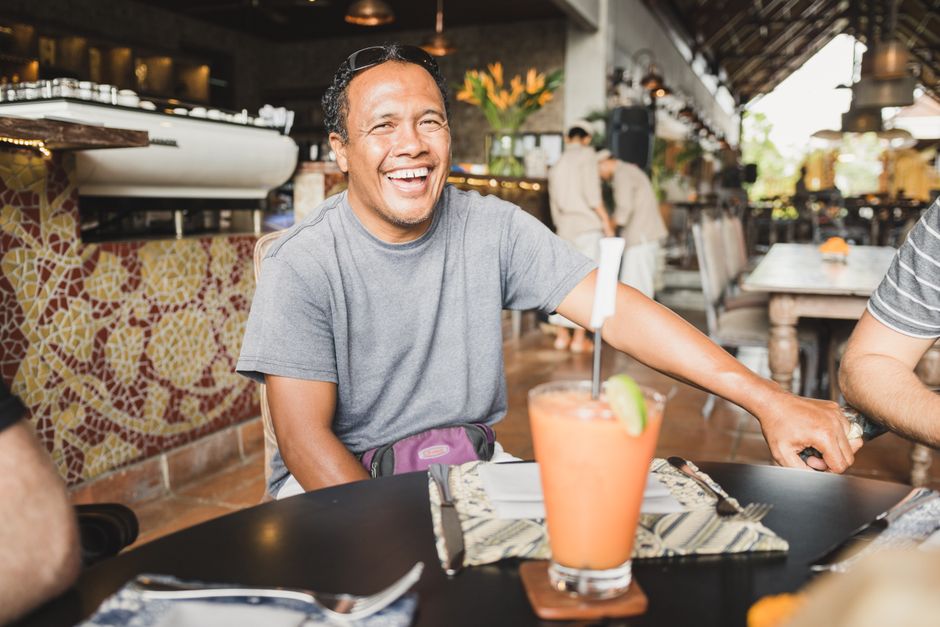
Over the years, I've had countless wonderful experiences in Bali, and many of them have involved the kindness and generosity of the local people. I've learned that tipping is not just about giving money; it's about building connections and showing appreciation for the hard work and dedication of those who make your trip special.
I remember one time, I hired a driver named Made to take me on a day trip to Ubud. He was incredibly knowledgeable about the area, pointing out hidden gems and sharing fascinating stories about Balinese culture. He went above and beyond to make my trip memorable, and I was happy to tip him generously at the end of the day. But what touched me even more was his genuine gratitude and the warmth of his smile. It was a reminder that even a small act of kindness can make a big difference.
Another time, I was having dinner at a small warung in Canggu. The food was delicious, and the service was friendly and attentive. When I went to pay, I realized I didn't have enough cash on me. The owner, a sweet woman named Ibu, simply smiled and said, "Don't worry, you can pay me next time." I was so touched by her trust and generosity. I made sure to go back the next day to pay her, and I've been a regular customer ever since. These are the kinds of experiences that make Bali so special – the genuine human connections and the spirit of kindness that permeates the island.
Respecting Cultural Differences and Avoiding Assumptions

Remember that tipping etiquette is influenced by cultural context. What's common practice in one country might not be in another. Approaching tipping in Bali with an open mind, a willingness to learn, and a genuine respect for local customs will enhance your experience. Avoid assumptions or imposing your own cultural norms onto the situation. Instead, try to understand the local perspective and act accordingly.
Also, be mindful of the potential impact of tourism on Balinese society. While tourism can bring economic benefits, it can also contribute to social and environmental problems. By being a responsible and respectful traveler, you can help minimize the negative impacts of tourism and support the local community.
Tipping as a Form of Cultural Exchange and Connection

Think of tipping not just as an obligation, but as an opportunity for cultural exchange and connection. When you tip someone in Bali, you're not just giving them money; you're also acknowledging their hard work, showing your appreciation for their service, and building a connection with them on a human level. It's a small gesture that can create a positive ripple effect, fostering mutual respect and understanding between visitors and locals.
So, go to Bali with an open heart, a generous spirit, and a willingness to embrace the local culture. By following these guidelines and being mindful of your actions, you can navigate the world of Balinese tipping with confidence and grace, and create unforgettable memories that will last a lifetime. Selamat jalan (safe travels), and enjoy your time in paradise!
Final Thoughts: Tipping with Your Heart

Ultimately, the best advice I can give you is to tip with your heart. Don't get too caught up in the rules and regulations. Instead, listen to your intuition and tip according to the level of service you received and your own personal circumstances. If you feel that someone has gone above and beyond to make your experience special, don't hesitate to show your appreciation with a generous tip. And if you're on a tight budget, don't feel pressured to tip more than you can afford. A genuine smile and a heartfelt "terima kasih" can be just as meaningful.
Bali is a magical place, filled with warm and welcoming people. By approaching tipping with respect, generosity, and a spirit of cultural exchange, you can contribute to the positive impact of tourism and create lasting memories that will enrich your life.
Post a Comment