Traffic in Bali: A Survival Guide to Navigating the Island's Roads

Traffic in Bali: A Survival Guide to Navigating the Island's Roads
Ah, Bali. The Island of Gods, a tropical paradise beckoning with its lush rice paddies, stunning beaches, and vibrant culture. But let's be honest, lurking beneath the postcard-perfect surface is something that can quickly turn your dream vacation into a bit of a nightmare: the traffic. Yes, the infamous Bali traffic. It's something everyone talks about, and experiencing it firsthand is, well, an experience. Think of it as an initiation rite for any visitor to this beautiful island.
I've spent a considerable amount of time in Bali over the past few years, and I've learned to navigate its roads – sometimes gracefully, sometimes with a sigh, but always with a degree of understanding. I've seen it all: near misses, traffic jams that seem to appear out of thin air, and the sheer ingenuity of the Balinese people in weaving through the chaos. So, consider this your survival guide, a friendly heads-up from someone who's been there, done that, and lived to tell the tale. Let's dive in, shall we?
Understanding the Beast: Why is Bali Traffic So... Intense?
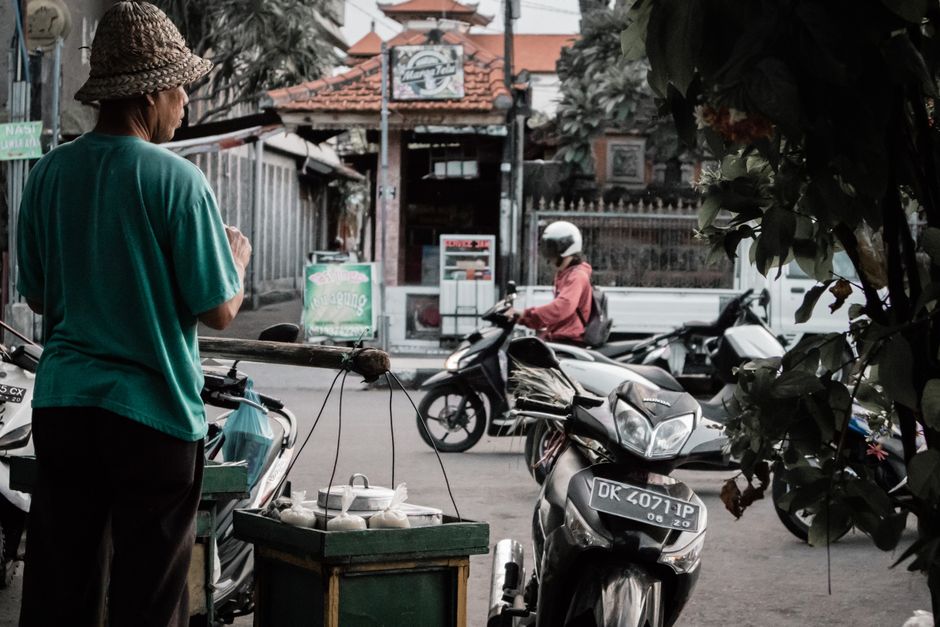
Before you start cursing every passing scooter, it's helpful to understand the factors contributing to the traffic situation. It's not just about too many tourists (though that's definitely a part of it); it's a complex interplay of factors.
1. Rapid Development and Limited Infrastructure: Bali has experienced explosive growth in tourism and development in recent decades. Unfortunately, the road infrastructure hasn't kept pace. Many roads were originally designed for a fraction of the current traffic volume. Think of it like trying to pour a gallon of water through a garden hose – things are bound to get backed up.
2. The Scooter Culture: Scooters are the lifeblood of Bali. They're affordable, fuel-efficient, and can navigate narrow streets with ease. However, the sheer number of scooters on the road contributes significantly to the congestion. It's a double-edged sword – essential for mobility, but a major factor in the traffic woes.
3. Tourism and Seasonal Fluctuations: Bali's popularity as a tourist destination means a massive influx of visitors, especially during peak seasons (July-August and December-January). This surge in traffic puts immense strain on the already overburdened road network.
4. Limited Public Transportation: While efforts are being made to improve public transportation, it's still not as comprehensive or convenient as in many other countries. This forces most people to rely on private vehicles, primarily scooters and cars.
5. Cultural Factors: I've noticed a certain... let's call it "relaxed" approach to driving rules and regulations. While not always intentional, things like impromptu stops, unexpected turns, and a general disregard for lane markings can contribute to the chaos. I'm not saying everyone drives recklessly, but there's definitely a different driving culture than you might be used to.
The Vehicles of Bali: A Road User's Guide
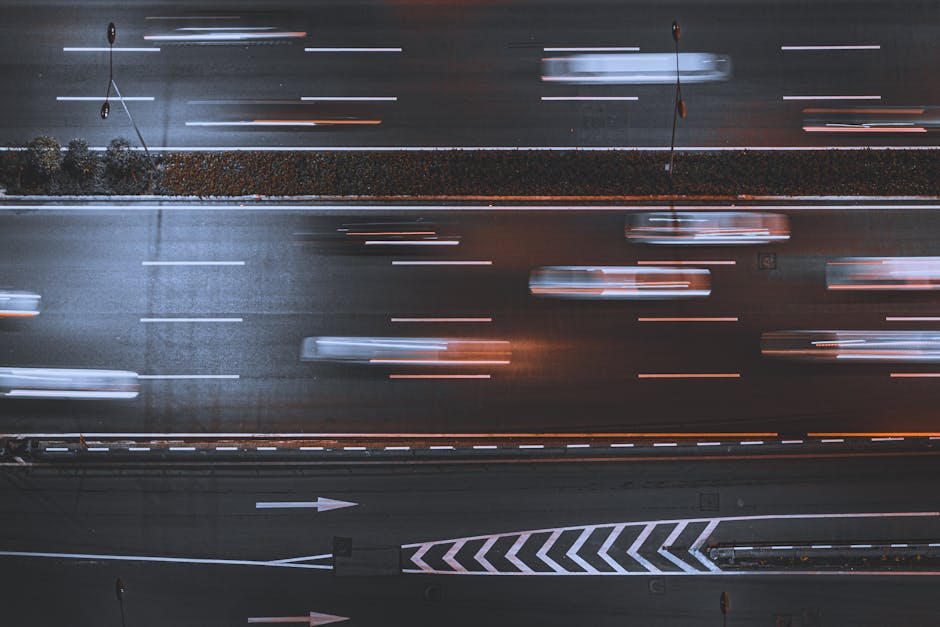
Understanding the types of vehicles you'll encounter on the road is crucial for navigating Bali's traffic. It's a diverse ecosystem out there!
1. Scooters (Motorbikes): The undisputed king of the road. They come in all shapes and sizes, from small 110cc models to larger 150cc ones. You'll see families of four (or more!) precariously balanced on a single scooter, vendors transporting goods, and tourists zipping around with varying degrees of confidence. Be extra cautious around scooters, as they can appear and disappear with surprising agility.
2. Cars: Cars are common, especially among families and those traveling with a lot of luggage. However, they can be a challenge to maneuver in tight spaces, and finding parking can be a nightmare. Be prepared for cars to cut you off or make unexpected maneuvers.
3. Bemos and Angkots: These are traditional minibuses that serve as a form of public transportation. They're colorful, often crowded, and can be a bit unpredictable. They typically follow fixed routes but can be flagged down along the way.
4. Tourist Buses: Large tourist buses are common, especially on routes to popular attractions. These buses can cause significant traffic congestion, particularly in areas with narrow roads.
5. Trucks and Lorries: You'll also encounter trucks and lorries, often carrying construction materials or other goods. These vehicles can be slow-moving and difficult to pass, so be patient and exercise caution.
6. Bicycles: While cycling is a great way to explore some areas of Bali, it's not always the safest option, especially on busy roads. Be sure to wear a helmet and use caution when cycling.
Navigating the Gauntlet: Essential Tips for Surviving Bali Traffic

Okay, so you understand the challenges. Now, let's talk about practical strategies for navigating Bali's roads and keeping your sanity.
1. Rent a Scooter (But Only if You're Comfortable): Renting a scooter is often the most practical and affordable way to get around Bali. However, it's crucial to be honest with yourself about your skill level and experience. If you've never ridden a scooter before, Bali is not the place to learn. Consider taking a lesson or two before hitting the road. If you're not comfortable, taxis or ride-hailing services are good alternatives.
2. Always Wear a Helmet: This should be a no-brainer, but I've seen far too many tourists riding without helmets. It's not worth the risk. Head injuries are a leading cause of death and disability in motorcycle accidents. Protect yourself, and wear a helmet. Make sure it fits properly and is securely fastened.
3. Get an International Driving Permit (IDP): An IDP is required to legally drive in Bali. You can obtain one from your home country. While you might get away with not having one, it's better to be safe than sorry, especially if you're involved in an accident.
4. Be Aware of Local Driving Customs: Bali has its own unique driving culture. Here are a few things to keep in mind:
a. Lane markings are often ignored: Don't rely on lane markings to guide you. Drivers often weave in and out of lanes as needed.
b. Honking is common: Honking is used to signal your presence, not necessarily to express anger. It's a way of saying, "Hey, I'm here!"
c. Turning signals are optional: Don't assume that drivers will use their turn signals. Be prepared for unexpected turns.
d. The "bigger is better" rule: Generally, larger vehicles have the right of way. Don't try to challenge a bus or truck.
e. Be prepared for anything: Seriously. Anything can happen on the road in Bali. Stay alert and anticipate the unexpected.
5. Drive Defensively: The key to surviving Bali traffic is to drive defensively. Assume that other drivers might do something unpredictable. Maintain a safe following distance, be aware of your surroundings, and always have an escape route.
6. Avoid Peak Hours: Traffic is typically heaviest during rush hour (7:00-9:00 AM and 4:00-7:00 PM). If possible, avoid driving during these times. Plan your trips accordingly, or consider taking a break during peak hours.
7. Use Navigation Apps: Google Maps or Waze can be invaluable for navigating Bali's roads. They provide real-time traffic information and can help you find the quickest routes. However, be aware that GPS signals can be unreliable in some areas.
8. Learn Some Basic Bahasa Indonesia: Knowing a few basic phrases in Bahasa Indonesia can be helpful when dealing with locals, especially if you need to ask for directions or assistance. Even a simple "Permisi" (excuse me) can go a long way.
9. Be Patient: This is perhaps the most important tip of all. Bali traffic can be frustrating, but getting angry or stressed won't make it any better. Take a deep breath, relax, and accept that traffic is just a part of the Bali experience. Embrace the slow pace and enjoy the scenery.
10. Consider Hiring a Driver: If you're not comfortable driving yourself, hiring a driver is a great option. Drivers are generally familiar with the roads and traffic conditions, and they can take you wherever you want to go. It's also a great way to support the local economy.
Hotspots and Bottlenecks: Where the Traffic Gets Real

Some areas of Bali are notorious for their heavy traffic. Knowing where these hotspots are can help you plan your routes and avoid unnecessary delays.
1. Seminyak and Canggu: These popular tourist areas are known for their trendy restaurants, bars, and shops. However, they're also notorious for their traffic congestion, especially during peak hours. Jalan Raya Seminyak and Jalan Batu Bolong are particularly problematic.
2. Kuta and Legian: Kuta and Legian are also popular tourist areas, and they suffer from similar traffic problems. Jalan Legian is often heavily congested, especially in the evenings.
3. Ubud: Ubud is a cultural hub, but its narrow roads and popularity with tourists mean that traffic can be a nightmare, especially around the central market and monkey forest road.
4. Denpasar: As the capital city of Bali, Denpasar experiences heavy traffic throughout the day. The main roads leading into and out of the city are particularly congested.
5. The Ngurah Rai International Airport Area: The roads around the airport are often congested, especially during peak travel times. Allow plenty of time to get to the airport, especially if you're driving yourself.
The Scooter Dilemma: Rent or Not to Rent?

Renting a scooter is a big decision for many visitors to Bali. It offers freedom and flexibility, but it also comes with risks and responsibilities. Here's a breakdown of the pros and cons to help you decide if it's right for you:
Pros:
a. Affordable: Scooter rentals are relatively inexpensive, typically costing around IDR 50,000-100,000 per day.
b. Convenient: Scooters can navigate narrow streets and alleys that cars can't access, making them ideal for exploring off-the-beaten-path areas.
c. Flexible: You can go wherever you want, whenever you want, without having to rely on taxis or public transportation.
d. Fuel-efficient: Scooters are very fuel-efficient, meaning you won't have to spend a lot of money on gas.
Cons:
a. Dangerous: Riding a scooter in Bali can be dangerous, especially if you're not experienced or comfortable with the traffic conditions.
b. Unlicensed Drivers: Many tourists ride scooters without a proper license, which can lead to legal problems if you're involved in an accident.
c. Insurance Issues: Most travel insurance policies don't cover accidents involving scooters, especially if you're riding without a license.
d. Theft: Scooter theft is a problem in Bali, so you need to be careful where you park your scooter and always use a lock.
If you decide to rent a scooter, be sure to choose a reputable rental company, inspect the scooter thoroughly before you rent it, and wear a helmet at all times. And remember, your safety is paramount. If you're not comfortable, don't do it.
Alternative Transportation Options: Beyond the Scooter
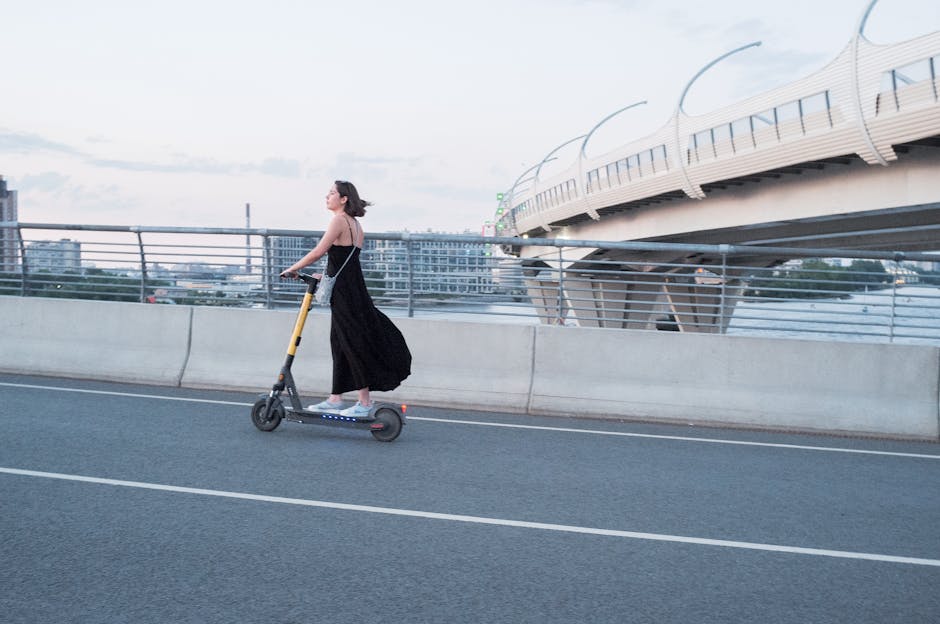
If you're not keen on renting a scooter, don't worry, there are plenty of other ways to get around Bali.
1. Taxis: Taxis are readily available in most tourist areas. Bluebird Taxis are generally considered the most reliable and trustworthy. Be sure to use a metered taxi, or agree on a price before you start your journey.
2. Ride-Hailing Apps: Gojek and Grab are popular ride-hailing apps in Bali. They offer a convenient and affordable way to get around. You can book a ride through the app and pay with cash or a credit card.
3. Private Drivers: Hiring a private driver is a great option if you want a more personalized experience. You can hire a driver for a full day or half day, and they can take you wherever you want to go. Ask your hotel or guesthouse for recommendations, or search online for reputable drivers.
4. Bemos and Angkots: These traditional minibuses are a cheap way to get around, but they can be crowded and uncomfortable. They typically follow fixed routes, but you can flag them down along the way.
5. Bicycles: Cycling is a great way to explore some areas of Bali, especially in the countryside. However, it's not always the safest option on busy roads. Be sure to wear a helmet and use caution.
6. Walking: Walking is a great way to explore smaller towns and villages. However, it's not always practical for longer distances, especially in the heat.
Embracing the Chaos: Finding Peace in the Traffic
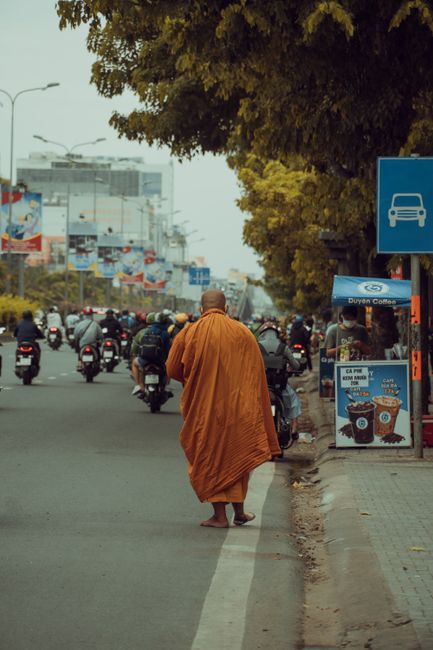
Okay, so we've covered the challenges, the vehicles, the tips, and the alternatives. But here's the thing: Bali traffic is often unavoidable. Instead of fighting it, try to embrace it (as much as possible!). Here are a few ways to find peace in the midst of the chaos:
1. Practice Mindfulness: Use your time in traffic as an opportunity to practice mindfulness. Focus on your breath, observe your surroundings, and try to let go of any frustration or anger.
2. Listen to Music or Podcasts: Download some of your favorite music or podcasts to listen to while you're stuck in traffic. It can help to distract you from the congestion and make the time pass more quickly.
3. People-Watch: Bali traffic is a great place for people-watching. Observe the locals going about their daily lives, and you might be surprised by what you see. It's a fascinating glimpse into Balinese culture.
4. Enjoy the Scenery: Even in the midst of traffic, you can still appreciate the beauty of Bali. Look around you and admire the lush rice paddies, the colorful temples, and the stunning sunsets.
5. Remember You're on Vacation: This is perhaps the most important thing to remember. You're on vacation! Don't let traffic ruin your trip. Relax, enjoy the ride, and remember that you'll eventually get to your destination.
The Future of Bali Traffic: What's Being Done?

The Balinese government is aware of the traffic problems and is working to address them. While progress may be slow, there are several initiatives underway to improve the situation:
1. Infrastructure Development: New roads are being built, and existing roads are being widened to increase capacity. The Nusa Dua-Ngurah Rai-Benoa Toll Road has helped to alleviate some of the congestion in the south of the island.
2. Public Transportation Improvements: Efforts are being made to improve public transportation, including the development of a bus rapid transit (BRT) system.
3. Traffic Management Systems: The government is implementing intelligent traffic management systems to optimize traffic flow and reduce congestion.
4. Promoting Sustainable Tourism: Encouraging tourists to use alternative forms of transportation, such as bicycles and walking, can help to reduce traffic congestion.
5. Stricter Enforcement of Traffic Laws: Increased enforcement of traffic laws can help to improve road safety and reduce accidents.
My Final Thoughts: A Love-Hate Relationship

My relationship with Bali traffic is complicated. There are times when I want to tear my hair out in frustration, and there are times when I find myself strangely enjoying the chaos. It's a bit like a love-hate relationship. But ultimately, I accept it as a part of the Bali experience.
Bali is a magical place, and its beauty and culture far outweigh the inconvenience of the traffic. With a little planning, patience, and a sense of humor, you can navigate the roads of Bali and have an unforgettable trip. Just remember to stay safe, be aware of your surroundings, and embrace the adventure.
So, go ahead, explore Bali! Just be prepared for the traffic, and you'll be just fine. Selamat jalan (safe travels)! And may the odds be ever in your favor on those Balinese roads!
Post a Comment