Travel Insurance for Bali: Your Safety Net in Paradise

Travel Insurance for Bali: Your Safety Net in Paradise
Okay, friend, let's talk Bali. Picture this: stunning beaches, vibrant culture, mouthwatering food, and lush landscapes. Bali is undeniably a dream destination. I know, I've been there multiple times, and each trip leaves me breathless. But beneath the surface of paradise lies a simple truth: travel can be unpredictable, and even the most meticulously planned trip can encounter unexpected hiccups. That's where travel insurance comes in. Trust me, don't even think about hopping on that plane without it. It's not just a nice-to-have; it's an absolute essential. Think of it as your safety net, your guardian angel, your "just-in-case" plan for when things don't quite go according to plan.
Why You Absolutely Need Travel Insurance for Bali
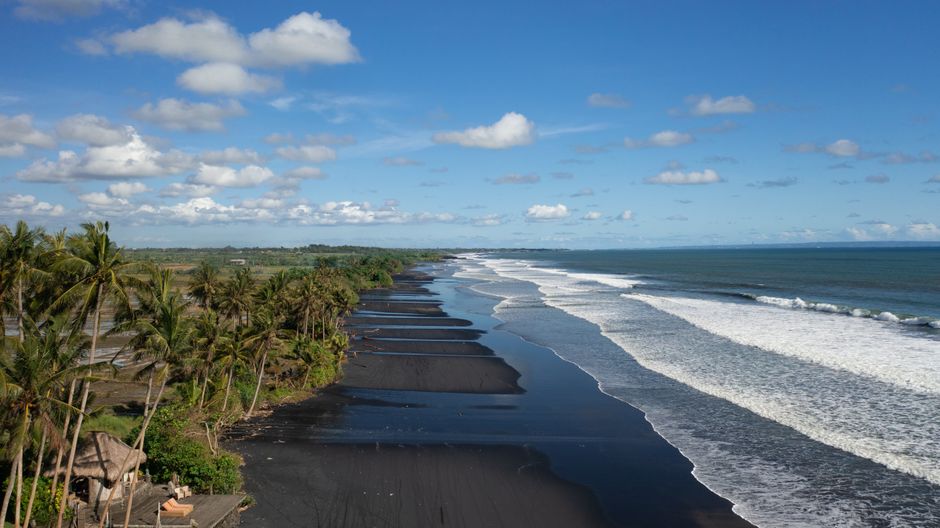
I know, I know. Travel insurance can seem like an unnecessary expense, another thing to tick off your pre-trip to-do list. But believe me, the peace of mind it offers is priceless. I've personally witnessed (and, dare I say, experienced) situations where travel insurance saved the day, or at least mitigated some serious headaches. Let's break down why it's so crucial for a Bali trip:
- Medical Emergencies: This is the big one. Bali, while beautiful, has a different healthcare system than what you might be used to back home. Imagine getting sick or injured and needing medical attention. The costs can quickly skyrocket, especially if you require hospitalization or evacuation. Travel insurance can cover these expenses, ensuring you receive the necessary care without bankrupting you. Think dengue fever (a real concern in Bali), food poisoning, or even a simple accident while exploring.
- Lost or Stolen Belongings: Bali is generally a safe place, but petty theft can happen, especially in touristy areas. Luggage can get lost or delayed, and cameras, phones, or laptops can be stolen. Travel insurance can reimburse you for the value of your lost or stolen items, allowing you to replace them and continue your trip with minimal disruption. I once had my backpack swiped in a crowded market in Ubud, and thankfully, my insurance covered the cost of replacing my camera and a few other essentials.
- Trip Cancellations or Interruptions: Life happens. You might have to cancel your trip due to illness, a family emergency, or even a natural disaster. Similarly, your trip might be interrupted due to unforeseen circumstances like flight delays or cancellations. Travel insurance can reimburse you for non-refundable expenses like flights, accommodation, and tours, saving you a significant amount of money. I had to cancel a trip to Bali once because of a sudden family emergency, and I was so grateful I had insurance that covered the cancellation fees.
- Personal Liability: Accidents can happen, even when you're on vacation. Imagine accidentally damaging someone's property or causing an injury. You could be held liable for the damages. Travel insurance can provide coverage for personal liability, protecting you from potentially crippling financial losses.
- 24/7 Assistance: Many travel insurance policies offer 24/7 assistance services, providing you with support and guidance in case of emergencies. This can be invaluable if you're in a foreign country and need help navigating a difficult situation. They can help you find medical care, report a theft, or even arrange for transportation.
Understanding Different Types of Travel Insurance

Okay, so you're convinced you need travel insurance. Great! But not all policies are created equal. There are different types of travel insurance, each offering varying levels of coverage. Let's take a look at the main categories:
- Single-Trip Travel Insurance: This type of policy covers a single trip, from the date you leave home until the date you return. It's a good option if you only travel occasionally.
- Multi-Trip (Annual) Travel Insurance: This type of policy covers multiple trips over a 12-month period. It's a more cost-effective option if you travel frequently throughout the year. Be sure to check the maximum trip duration allowed under the policy.
- Comprehensive Travel Insurance: This is the most comprehensive type of policy, offering a wide range of coverage, including medical expenses, trip cancellations, lost or stolen belongings, and personal liability.
- Basic Travel Insurance: This type of policy offers limited coverage, typically focusing on medical expenses and trip cancellations. It's a more affordable option, but it may not provide adequate protection for all situations.
What to Look for in a Travel Insurance Policy for Bali

Now that you know the different types of travel insurance, let's dive into the specific features you should look for when choosing a policy for your Bali trip:
- Medical Coverage: This is the most important aspect of your travel insurance policy. Make sure it covers:
- Medical Expenses: This includes doctor's visits, hospital stays, medication, and ambulance services. Look for a policy with a high coverage limit, ideally at least $100,000.
- Medical Evacuation: If you need to be evacuated to a better medical facility, this coverage will cover the costs. This can be incredibly expensive, so make sure your policy includes adequate evacuation coverage.
- Repatriation: In the unfortunate event of death, this coverage will cover the costs of transporting your body back home.
- Trip Cancellation/Interruption Coverage: This coverage will reimburse you for non-refundable expenses if you have to cancel or interrupt your trip due to a covered reason.
- Lost/Stolen Belongings Coverage: This coverage will reimburse you for the value of your lost or stolen belongings, up to a certain limit. Make sure the limit is high enough to cover your most valuable items.
- Personal Liability Coverage: This coverage will protect you if you're held liable for damages or injuries caused to others.
- Coverage for Activities: If you plan on participating in adventure activities like surfing, scuba diving, or hiking, make sure your policy covers these activities. Some policies exclude certain activities, so it's important to read the fine print.
- 24/7 Assistance: This service can provide you with support and guidance in case of emergencies.
- Pre-Existing Medical Conditions: If you have any pre-existing medical conditions, make sure your policy covers them. Some policies exclude pre-existing conditions, while others offer coverage with an additional premium.
- COVID-19 Coverage: In the current climate, it's essential to choose a policy that covers COVID-19-related expenses, including medical treatment, quarantine costs, and trip cancellations.
Finding the Right Travel Insurance Provider

Choosing the right travel insurance provider can feel overwhelming, with so many options available. Here are a few tips to help you narrow down your choices:
- Compare Quotes: Don't just go with the first policy you find. Get quotes from multiple providers and compare their coverage, prices, and terms and conditions.
- Read Reviews: Check online reviews to see what other travelers have to say about their experiences with different insurance providers.
- Check the Provider's Financial Stability: Make sure the provider is financially stable and has a good reputation for paying claims.
- Read the Fine Print: This is crucial! Understand what your policy covers and what it doesn't cover. Pay attention to exclusions, limitations, and deductibles.
- Consider a Travel Insurance Comparison Website: These websites allow you to compare quotes from multiple providers side-by-side, making it easier to find the best policy for your needs.
Common Mistakes to Avoid When Buying Travel Insurance

To ensure you get the most out of your travel insurance policy, avoid these common mistakes:
- Not buying insurance at all: This is the biggest mistake of all! Don't assume that nothing will go wrong.
- Buying insurance too late: Buy your insurance as soon as you book your trip. This will ensure that you're covered for pre-departure cancellations.
- Not reading the policy: Understand what your policy covers and what it doesn't cover.
- Underestimating your coverage needs: Choose a policy with adequate coverage for medical expenses, trip cancellations, and lost or stolen belongings.
- Not declaring pre-existing medical conditions: If you have any pre-existing medical conditions, declare them to your insurance provider. Failure to do so could invalidate your policy.
- Not keeping your policy information handy: Keep a copy of your policy information with you while traveling, both in paper and electronic format.
Tips for Making a Travel Insurance Claim

If you need to make a travel insurance claim, here are a few tips to help you through the process:
- Report the incident immediately: Contact your insurance provider as soon as possible after the incident occurs.
- Gather documentation: Collect all relevant documentation, such as medical reports, police reports, receipts, and airline tickets.
- Fill out the claim form accurately: Provide all the information requested on the claim form, and be as detailed as possible.
- Keep copies of everything: Keep copies of all documents you submit to your insurance provider.
- Follow up: Check in with your insurance provider regularly to track the progress of your claim.
Specific Scenarios and How Insurance Can Help in Bali

Let's look at some specific scenarios you might encounter in Bali and how travel insurance can help:
- Motorbike Accident: Renting a motorbike is a popular way to get around Bali, but it can also be dangerous. If you're involved in a motorbike accident, travel insurance can cover your medical expenses, as well as any damage to the motorbike (if you have the appropriate coverage). Important: Make sure you have a valid motorbike license in your home country and that your insurance policy covers motorbike accidents. Many policies exclude them if you don't have a proper license.
- Dengue Fever: Dengue fever is a mosquito-borne illness that's common in Bali. If you contract dengue fever, travel insurance can cover your medical expenses.
- Food Poisoning: Food poisoning is another common ailment among travelers in Bali. Travel insurance can cover your medical expenses and any associated costs, such as accommodation if you need to extend your stay.
- Volcanic Eruption: Bali is located in an active volcanic region. Volcanic eruptions can cause flight delays and cancellations, as well as disrupt travel plans. Travel insurance can cover your non-refundable expenses if your trip is affected by a volcanic eruption.
- Lost Passport: Losing your passport can be a nightmare. Travel insurance can cover the cost of replacing your passport and any associated expenses, such as accommodation and transportation.
My Personal Experiences with Travel Insurance in Bali
I've traveled to Bali several times, and I've learned firsthand the importance of travel insurance. I mentioned earlier about my backpack getting stolen. That was a wake-up call. But that's not the only time insurance came in handy. On another trip, I got a nasty case of Bali Belly (food poisoning), and I had to visit a doctor. My travel insurance covered the consultation fee and the medication, which was a huge relief. It wasn't a massive expense, but it was one less thing to worry about when I was feeling unwell. And knowing that I was covered if something more serious happened gave me immense peace of mind.
Beyond the Basics: Additional Coverage Options

While comprehensive travel insurance covers most common scenarios, you might want to consider adding extra coverage depending on your specific needs and plans:
- Adventure Sports Coverage: As mentioned earlier, if you plan on engaging in adventurous activities like surfing, scuba diving, white-water rafting, or hiking, ensure your policy explicitly covers these activities. Standard policies might exclude certain high-risk sports.
- Electronics Coverage Upgrade: If you're carrying expensive electronics like high-end cameras, laptops, or drones, consider upgrading your policy to increase the coverage limit for these items. You might also want to consider a separate gadget insurance policy for added protection.
- Rental Car Excess Insurance: If you plan on renting a car in Bali, rental car excess insurance can cover the excess (deductible) you'd have to pay if the car is damaged or stolen. This can save you a significant amount of money, as rental car excess fees can be quite high.
- Cruise Coverage: If your Bali trip involves a cruise, make sure your policy covers cruise-related incidents like missed port departures, cabin confinement due to illness, and emergency medical evacuation from the ship.
The Cost of Travel Insurance vs. The Cost of Not Having It

Let's be real: travel insurance is an expense. But consider the alternative. Imagine being hit with a medical bill of thousands of dollars, or having to cancel your trip and lose all your non-refundable expenses. The cost of travel insurance is a small price to pay for the peace of mind and financial protection it provides. Think of it as an investment in your well-being and the security of your travel plans. It's far better to have it and not need it than to need it and not have it.
Final Thoughts: Travel Smart, Travel Safe, Travel Insured

Bali is a magical place that deserves to be explored and enjoyed to the fullest. By investing in travel insurance, you're not just buying a policy; you're buying peace of mind. You're giving yourself the freedom to relax, explore, and create unforgettable memories, knowing that you're protected from the unexpected. So, before you pack your bags and head off to paradise, make sure you have adequate travel insurance in place. Trust me, it's one of the best decisions you can make for a safe and enjoyable trip. Now go out there and explore the beauty of Bali, knowing you're covered!
Post a Comment