Visiting a Traditional Balinese Village: Immerse Yourself in Authentic Culture
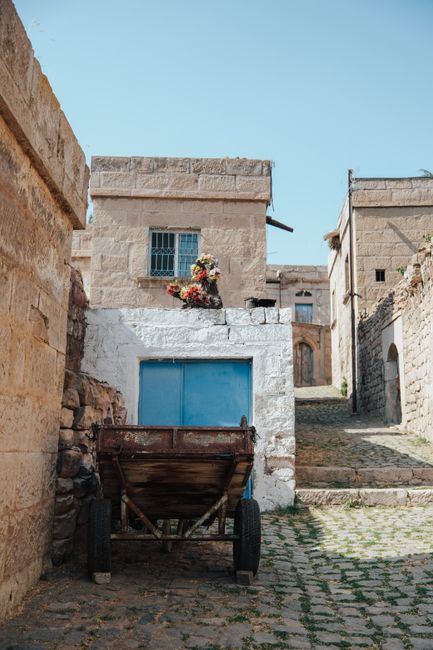
Visiting a Traditional Balinese Village: Immerse Yourself in Authentic Culture
Hey there, fellow travel enthusiast! Have you ever dreamed of stepping back in time, experiencing a culture untouched by the modern world? Well, let me tell you about my incredible journey to a traditional Balinese village. It was more than just a vacation; it was a soul-stirring immersion into a way of life that's both deeply spiritual and remarkably communal. I'm so excited to share my experience and tips for your own authentic Balinese adventure!
Why Choose a Traditional Balinese Village?

Okay, so Bali is famous for its stunning beaches, vibrant nightlife, and luxurious resorts, right? But trust me, venturing beyond the tourist hotspots and into a traditional village is where you'll truly discover the heart and soul of Bali. It's a chance to witness a culture that has been carefully preserved for centuries, a culture steeped in tradition, artistry, and a profound connection to nature. Think of it as peeling back the layers of tourism to reveal the authentic Bali beneath.
Here's what makes it so special:
- Unadulterated Culture: You're not seeing a performance put on for tourists. You're witnessing daily life – the rituals, the ceremonies, the way people interact with each other. It's real and raw.
- Warm Hospitality: Balinese people are renowned for their genuine warmth and hospitality. In a traditional village, that kindness is amplified. You're welcomed as a guest, not just a customer.
- Artisan Traditions: From intricate wood carvings to delicate weaving, these villages are often centers of traditional Balinese crafts. You can see artisans at work, learning about their skills and even trying your hand at it yourself.
- Spiritual Connection: Balinese Hinduism is deeply intertwined with daily life. Temples abound, and you'll see offerings and ceremonies taking place throughout the day. It's a powerful reminder of the spiritual connection that permeates Balinese culture.
- Sustainable Living: Many traditional villages are committed to sustainable practices, living in harmony with the environment. It's inspiring to see how they manage their resources and preserve their natural surroundings.
Choosing the Right Village: A Little Research Goes a Long Way
Now, not all villages are created equal. Some are more accessible to tourists than others, and some have retained their traditions more strongly. I spent hours researching before deciding on the village I wanted to visit, and I recommend you do the same! Think about what you want to experience – are you interested in a specific craft, a particular ceremony, or simply a peaceful retreat?
Here are a few things to consider when choosing a village:
- Accessibility: Some villages are quite remote, requiring a bumpy ride on a scooter or even a trek through the jungle. Be realistic about your comfort level and choose a village that's accessible to you.
- Tourism Levels: Some villages have embraced tourism more than others. While this can make them easier to visit, it can also dilute the authentic experience. Look for villages that are off the beaten path, where tourism is still relatively low-key.
- Specific Traditions: Many villages specialize in certain crafts or traditions. If you're interested in weaving, look for a village known for its textile production. If you're fascinated by Balinese dance, find a village that has a strong tradition of performing arts.
- Accommodation Options: Consider where you'll be staying. Some villages offer homestays, which is a fantastic way to immerse yourself in the local culture. Others may have guesthouses or small hotels nearby.
I ended up choosing a village nestled in the foothills of the mountains, known for its stunning rice terraces and its strong adherence to traditional farming practices. It was a bit of a trek to get there, but the journey was absolutely worth it!
Preparing for Your Visit: Respect and Sensitivity are Key

Visiting a traditional village isn't like visiting a tourist attraction. It's entering someone's home, someone's community. So, it's essential to be respectful and sensitive to their customs and traditions. Remember, you're a guest, and you should behave accordingly.
Here are a few tips for preparing for your visit:
- Learn Basic Phrases: Even knowing a few basic phrases in Balinese (like "Selamat pagi" for good morning or "Terima kasih" for thank you) can go a long way in showing respect and building rapport with the locals.
- Dress Modestly: Balinese culture is quite conservative. Avoid wearing revealing clothing, especially when visiting temples or participating in ceremonies. Cover your shoulders and knees. A sarong and sash are often required when entering temples and are usually available for rent or purchase.
- Ask Permission Before Taking Photos: Always ask permission before taking photos of people, especially during ceremonies. Some people may be uncomfortable with being photographed, and it's important to respect their wishes.
- Be Mindful of Local Customs: Learn about the local customs and traditions beforehand. For example, it's considered impolite to point with your finger. Use your thumb instead. Also, avoid touching someone's head, as it's considered the most sacred part of the body.
- Bring a Small Gift: It's customary to bring a small gift to your host family if you're staying in a homestay. This could be something simple like fruit, cookies, or a small trinket. It's a thoughtful gesture that will be greatly appreciated.
My Arrival: A Warm Welcome and Immediate Immersion

The moment I arrived in the village, I knew I was in for something special. The air was filled with the scent of incense and frangipani flowers, and the sound of gamelan music drifted from a nearby temple. I was greeted with warm smiles and genuine curiosity. My host family, a lovely couple with two adorable children, welcomed me into their home with open arms.
Their home was a traditional Balinese compound, consisting of several small pavilions arranged around a central courtyard. Each pavilion served a different purpose – one for sleeping, one for cooking, one for praying. The entire compound was surrounded by a high wall, providing privacy and security.
I was immediately offered a cup of Balinese coffee, a strong, sweet brew that's the perfect pick-me-up after a long journey. As I sipped my coffee, my host family told me about their village, their traditions, and their way of life. I felt an immediate connection with them, a sense of belonging that I hadn't expected.
Daily Life in the Village: A Rhythm of Rituals and Community
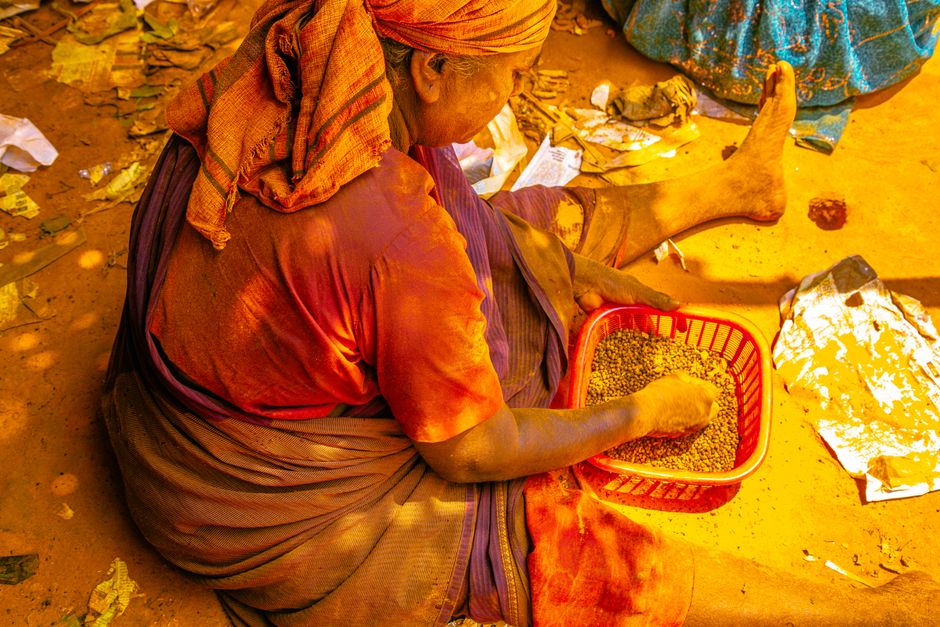
Life in the village was a beautiful blend of work, prayer, and community. Each day began before sunrise, with the sound of roosters crowing and the smell of woodsmoke rising from the kitchens. The women of the village would prepare offerings for the gods, intricate creations made of flowers, rice, and fruit.
I woke up early each morning to join my host family in their daily activities. I helped them tend to their rice fields, learning the ancient techniques of rice cultivation. I watched them weave intricate baskets from bamboo, creating works of art that were both beautiful and functional. I even tried my hand at carving wood, with predictably clumsy results (but lots of laughs!).
But it wasn't just about the work. Life in the village was also about community. Every day, I witnessed acts of kindness and cooperation. Neighbors helping each other with their chores, families sharing meals together, children playing games in the streets. It was a reminder of the importance of human connection, something that's often lost in our modern, individualistic world.
Here's a glimpse into a typical day:
- Early Morning (4:00 AM - 6:00 AM): Wake up before sunrise. Women prepare offerings (canang sari) for the gods. The scent of incense fills the air.
- Morning (6:00 AM - 12:00 PM): Work in the rice fields or gardens. Artisans work on their crafts (wood carving, weaving, painting). Children go to school.
- Afternoon (12:00 PM - 4:00 PM): Lunch (often consisting of rice, vegetables, and a small amount of meat or fish). Rest during the hottest part of the day.
- Late Afternoon (4:00 PM - 6:00 PM): More work in the fields or gardens. Bathing in the river or well. Preparing dinner.
- Evening (6:00 PM - 9:00 PM): Dinner with the family. Prayers and offerings at the family temple. Storytelling and socializing with neighbors.
- Night (9:00 PM onwards): Sleep. The village becomes quiet and peaceful, with the sounds of crickets and frogs lulling you to sleep.
Spiritual Experiences: Temples, Ceremonies, and Offerings
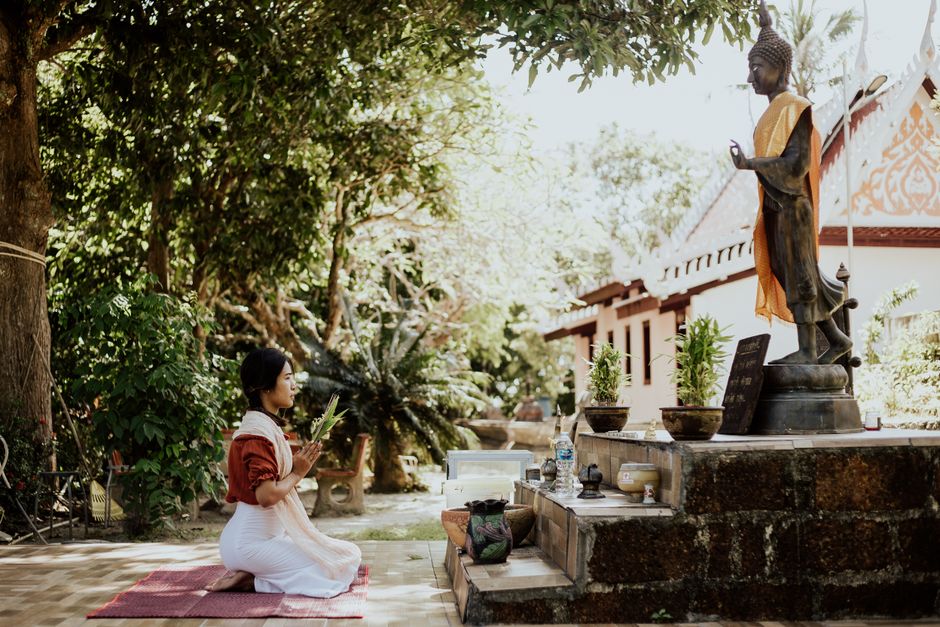
Balinese Hinduism is an integral part of daily life in the village. Temples are everywhere, from the large village temples to the small family shrines. Offerings are made several times a day, expressing gratitude to the gods and seeking their blessings.
During my visit, I had the opportunity to witness several ceremonies, each one more fascinating than the last. I saw a cremation ceremony, a vibrant and elaborate affair that celebrates the passing of a loved one. I attended a temple festival, a joyous celebration with music, dance, and elaborate processions.
One of the most moving experiences was participating in a Melukat ceremony, a purification ritual that is believed to cleanse the body and soul. I was bathed in holy water, chanted prayers, and received a blessing from the village priest. It was a deeply spiritual experience that left me feeling refreshed and renewed.
Here are some spiritual aspects you might encounter:
- Temples: Every village has several temples, each dedicated to different deities. You'll see intricate carvings, colorful decorations, and daily offerings.
- Offerings (Canang Sari): These small, beautiful offerings are made several times a day and placed in temples, shrines, and even on the ground. They're a symbol of gratitude and respect for the gods.
- Ceremonies: Balinese ceremonies are often elaborate and colorful affairs, with music, dance, and processions. They mark important life events, such as births, weddings, and funerals.
- Gamelan Music: The enchanting sounds of gamelan music are an integral part of Balinese culture. You'll hear it playing during ceremonies, festivals, and even in daily life.
Learning a Traditional Craft: A Hands-On Experience

Many traditional villages are centers of artisan traditions. I was particularly drawn to the art of weaving, and I spent several days learning from a master weaver in the village. She taught me how to spin cotton, dye the threads with natural pigments, and weave intricate patterns on a traditional loom.
It was a challenging but incredibly rewarding experience. I quickly realized the skill and patience required to create these beautiful textiles. I also learned about the symbolism of the different patterns, each one telling a story or representing a specific deity.
Other crafts you might find in traditional villages include:
- Wood Carving: Balinese wood carving is renowned for its intricate details and its religious themes. You can see artisans carving statues of gods and goddesses, as well as decorative panels for temples and homes.
- Painting: Traditional Balinese painting is characterized by its vibrant colors and its stylized figures. You can see artists painting scenes from Balinese mythology and daily life.
- Silverwork: Balinese silversmiths create beautiful jewelry and ceremonial objects. You can see them working with intricate filigree techniques and incorporating precious stones.
- Pottery: Some villages specialize in pottery, creating terracotta pots, tiles, and sculptures. You can see potters shaping the clay by hand and firing it in traditional kilns.
Food and Drink: A Culinary Adventure

One of the highlights of my visit was the food. Traditional Balinese cuisine is flavorful, aromatic, and often spicy. I ate meals with my host family, sharing simple but delicious dishes made with fresh, local ingredients.
Some of my favorite dishes included:
- Nasi Goreng: Fried rice with vegetables, meat, or seafood. A classic Indonesian dish.
- Mie Goreng: Fried noodles with vegetables, meat, or seafood. Another popular Indonesian dish.
- Gado-Gado: A vegetable salad with peanut sauce. A refreshing and healthy option.
- Sate Lilit: Minced meat satay, marinated in spices and grilled on lemongrass skewers. A delicious and flavorful treat.
- Lawar: A traditional Balinese dish made with minced meat, vegetables, and spices. Often served during ceremonies.
And of course, I couldn't forget the Balinese coffee! It was the perfect way to start the day or to enjoy an afternoon chat with my host family. I also tried Arak, a traditional Balinese rice wine, which is surprisingly potent!
Challenges and Rewards: A Lesson in Perspective

My visit to the traditional Balinese village wasn't always easy. There were moments of discomfort, moments of culture shock, and moments when I felt overwhelmed by the simplicity of life. But these challenges were also part of the experience, and they taught me valuable lessons about myself and the world.
I learned to appreciate the simple things in life – the beauty of nature, the warmth of human connection, the power of tradition. I learned to let go of my expectations and to embrace the unexpected. I learned to be more patient, more understanding, and more compassionate.
The rewards of my visit far outweighed the challenges. I left the village feeling transformed, with a deeper understanding of Balinese culture and a renewed appreciation for the values that truly matter in life.
Tips for Responsible Tourism: Making a Positive Impact

It's important to remember that tourism can have both positive and negative impacts on traditional villages. As a responsible traveler, you can help ensure that your visit benefits the local community and preserves their culture.
Here are a few tips for responsible tourism:
- Stay in Locally Owned Accommodation: Choose homestays or guesthouses that are owned and operated by local families. This ensures that your money stays in the community.
- Eat at Local Restaurants: Support local restaurants and warungs (small food stalls) by eating their food. This helps to support local businesses and preserve traditional cuisine.
- Buy Locally Made Products: Purchase souvenirs and handicrafts directly from the artisans who create them. This provides them with a fair income and encourages them to continue their traditions.
- Respect Local Customs: Be mindful of local customs and traditions. Dress modestly, ask permission before taking photos, and avoid behavior that could be considered disrespectful.
- Be Environmentally Conscious: Minimize your environmental impact by reducing your waste, conserving water, and avoiding the use of single-use plastics.
- Learn About the Culture: Take the time to learn about Balinese culture and traditions. This will help you to appreciate the village and its people.
- Leave No Trace: Leave the village as you found it, or even better, leave it a little bit better than you found it. Clean up any trash you see and be respectful of the environment.
Planning Your Trip: Practical Considerations

Okay, you're convinced! You want to visit a traditional Balinese village. Here's some practical advice to help you plan your trip:
- Best Time to Visit: The dry season (April to September) is generally the best time to visit Bali, as the weather is sunny and pleasant. However, the rainy season (October to March) can also be a good time to visit, as the island is lush and green.
- Visa Requirements: Check the visa requirements for your country before you travel to Bali. Many nationalities can enter Bali visa-free for a certain period of time.
- Flights and Accommodation: Book your flights and accommodation in advance, especially if you're traveling during the peak season.
- Transportation: Consider hiring a driver or renting a scooter to explore the island. However, be aware that the roads in Bali can be narrow and congested, especially in tourist areas.
- Health and Safety: Consult your doctor about any necessary vaccinations or medications before you travel to Bali. Drink bottled water and be careful about what you eat.
- Money: The currency in Bali is the Indonesian Rupiah (IDR). ATMs are widely available in tourist areas, but it's a good idea to have some cash on hand, especially when visiting traditional villages.
- Language: The official language of Bali is Indonesian, but many people also speak Balinese. English is widely spoken in tourist areas.
My Lasting Memories: A Changed Perspective

My visit to the traditional Balinese village was more than just a vacation; it was a transformative experience that changed my perspective on life. I learned about the importance of community, the beauty of simplicity, and the power of tradition. I made lifelong friends and created memories that I will cherish forever.
If you're looking for an authentic and meaningful travel experience, I highly recommend visiting a traditional Balinese village. It's a chance to step back in time, to connect with a different culture, and to discover a new side of yourself. Trust me, you won't regret it!
So, pack your bags, open your heart, and prepare to be amazed by the beauty and magic of traditional Bali. Selamat jalan (safe travels)!
Post a Comment