Volunteering in Bali: My Journey of Giving Back and Finding Myself

Volunteering in Bali: My Journey of Giving Back and Finding Myself
Bali, the Island of Gods, conjures images of breathtaking sunsets, lush rice paddies, and serene temples. But beyond the postcard-perfect scenery lies a vibrant community with both incredible resilience and real needs. My trip to Bali wasn't just about relaxing on the beach; it was about connecting with the local people and contributing to their well-being. I wanted to experience Bali beyond the tourist hotspots, and volunteering provided that opportunity in ways I never imagined.
Why I Chose to Volunteer in Bali

For years, I'd been drawn to Bali's unique culture and spiritual energy. I'd read countless articles about the island's stunning landscapes and the warmth of its people. But I also felt a nagging sense that simply being a tourist wasn't enough. I wanted to give back to a place that offered so much beauty and inspiration. The allure of lounging by the pool felt hollow compared to the prospect of making a tangible difference.
I considered various options – teaching English, working on conservation projects, and assisting with animal welfare. After researching different organizations, I realized the sheer diversity of opportunities. It was important to me that the organization was reputable, transparent, and genuinely focused on sustainable development within the community. I didn't want my efforts to be fleeting or, worse, counterproductive.
Finding the Right Volunteer Program

The search for the "perfect" volunteer program can feel overwhelming. There are so many organizations vying for your attention, each with its own mission and focus. Here's what I learned during my search:
- Do Your Research: Don't just pick the first program that catches your eye. Read reviews, check their website thoroughly, and look for testimonials from past volunteers.
- Define Your Skills and Interests: What are you good at? What are you passionate about? Align your volunteer work with your strengths and interests to maximize your impact and enjoyment.
- Consider the Organization's Impact: How does the organization measure its success? Are they working with local communities to address their specific needs? Avoid programs that seem to be more about photo opportunities than real change.
- Ask Questions: Don't be afraid to contact the organization directly and ask about their mission, goals, and how your contribution will be used.
- Read the Fine Print: Understand the costs involved, including program fees, accommodation, meals, and travel expenses. Be aware of potential hidden fees.
I ultimately chose a program focused on sustainable agriculture and community empowerment in a small village outside Ubud. It resonated with me because it addressed the root causes of poverty and promoted self-sufficiency. The organization worked directly with local farmers, providing them with training, resources, and access to markets.
My Volunteer Experience: A Day in the Life
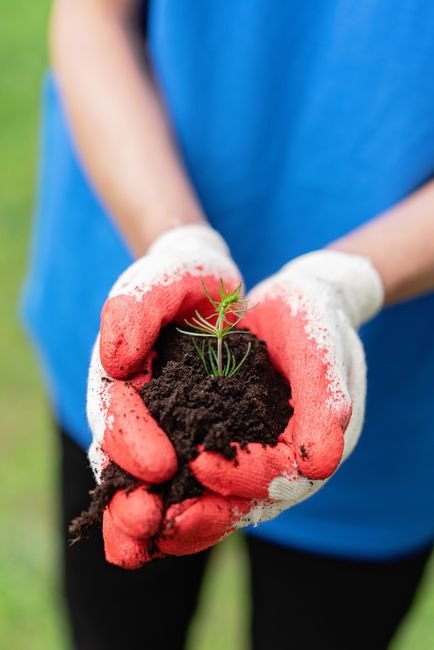
My days in the village were a far cry from the typical tourist itinerary. I woke up early to the sounds of roosters crowing and the distant chanting from a nearby temple. After a simple breakfast of nasi goreng (fried rice) and strong Balinese coffee, I would join the other volunteers and the local farmers in the fields.
We spent our mornings planting rice seedlings, tending to vegetable gardens, and learning about traditional farming techniques. It was hard work, and my city-slicker hands quickly developed blisters. But the sense of accomplishment I felt after a day of physical labor was incredibly rewarding. It was amazing to see the tangible results of our efforts and to know that we were contributing to the community's food security.
In the afternoons, we would often participate in workshops or training sessions. These covered topics such as organic farming, composting, and water conservation. The farmers were eager to learn new skills and to improve their yields in a sustainable way. I was constantly impressed by their knowledge, resourcefulness, and dedication to their land.
Evenings were a time for relaxation and cultural immersion. We would often gather with the local families, sharing stories, playing games, and learning about Balinese traditions. I remember one evening in particular when we helped a family prepare for a traditional ceremony. We spent hours weaving intricate offerings from palm leaves and flowers, learning about the symbolism behind each element. It was an incredibly humbling and enriching experience.
Challenges and Rewards: It Wasn't Always Easy

Volunteering in Bali wasn't always a walk in the park. There were challenges along the way, both personal and logistical. The language barrier could be frustrating at times, although I made an effort to learn some basic Bahasa Indonesia. Adapting to a different culture and way of life also required patience and flexibility.
One of the biggest challenges was witnessing the poverty and hardship that many families faced. It was heartbreaking to see children without access to education or healthcare. However, it also motivated me to work even harder and to do whatever I could to make a difference.
Despite the challenges, the rewards of volunteering far outweighed the difficulties. The feeling of making a positive impact on the lives of others was incredibly fulfilling. I developed deep connections with the local community, learned about a different culture, and gained a new perspective on life. I also discovered a sense of purpose that I hadn't felt before.
Here's a short list of rewards I experienced:
- Personal Growth: I stepped outside my comfort zone and learned a lot about myself. I became more resilient, adaptable, and compassionate.
- Cultural Immersion: I gained a deeper understanding of Balinese culture and traditions. I learned to appreciate the beauty and simplicity of village life.
- Meaningful Connections: I formed lasting friendships with the local people and the other volunteers. These connections enriched my life in countless ways.
- Positive Impact: I made a tangible difference in the lives of others. I contributed to the community's food security and helped to empower local farmers.
- Unforgettable Memories: I created memories that I will cherish for a lifetime. My volunteer experience in Bali was one of the most transformative experiences of my life.
The Importance of Sustainable Volunteering

It's crucial to talk about the ethics of volunteering, especially in a place like Bali that relies heavily on tourism. "Voluntourism," while well-intentioned, can sometimes do more harm than good if it's not approached responsibly. Here are some key principles of sustainable volunteering:
- Community-Led Development: The best volunteer programs are those that are driven by the needs and priorities of the local community. The organization should work in partnership with local leaders and residents to ensure that their efforts are aligned with the community's goals.
- Capacity Building: The goal of volunteering should be to empower local communities to become self-sufficient. This means providing training, resources, and support to help them develop their own skills and solutions.
- Respect for Local Culture: Volunteers should be respectful of local customs, traditions, and values. This includes dressing appropriately, learning some basic Bahasa Indonesia, and being mindful of local sensitivities.
- Environmental Sustainability: Volunteer programs should be environmentally responsible and avoid contributing to pollution or deforestation. They should also promote sustainable practices, such as organic farming and waste reduction.
- Long-Term Commitment: Short-term volunteer trips can be helpful, but it's important to consider the long-term impact of your involvement. Look for programs that have a long-term vision and that are committed to building sustainable relationships with the local community.
Tips for Planning Your Volunteer Trip to Bali

If you're considering volunteering in Bali, here are some practical tips to help you plan your trip:
- Book Your Flights and Accommodation in Advance: Bali is a popular tourist destination, so it's best to book your flights and accommodation well in advance, especially during peak season.
- Get the Necessary Visas and Vaccinations: Make sure you have the necessary visas and vaccinations before you travel. Consult with your doctor or a travel clinic to determine which vaccinations are recommended.
- Pack Appropriately: Pack light, comfortable clothing that is suitable for the tropical climate. Bring insect repellent, sunscreen, and a hat.
- Learn Some Basic Bahasa Indonesia: Learning a few basic phrases will go a long way in showing respect for the local culture.
- Be Prepared for Culture Shock: Bali is a very different culture from Western countries. Be prepared for culture shock and try to be open-minded and adaptable.
- Be Respectful of Local Customs: Dress modestly when visiting temples and other religious sites. Remove your shoes before entering a home or temple.
- Bargain Respectfully: Bargaining is common in Bali, but do so respectfully and avoid haggling over small amounts of money.
- Stay Hydrated: Drink plenty of water to stay hydrated in the tropical climate.
- Be Aware of Scams: Be aware of common scams targeting tourists. Be wary of unsolicited offers and avoid carrying large amounts of cash.
- Enjoy the Experience: Relax, be open to new experiences, and enjoy the opportunity to connect with the local community and make a difference in the world.
Organizations I Recommend (Based on Research and Reputation)

While I can't personally vouch for every organization, here are a few that consistently receive positive reviews and appear to prioritize ethical and sustainable practices. Remember to do your own thorough research before committing to any program:
- Yayasan Solemen Indonesia: Focuses on providing direct support to disadvantaged individuals and families in Bali, including healthcare, education, and shelter.
- Bali Children's Foundation: Offers educational programs and support to underprivileged children in Bali, empowering them to break the cycle of poverty.
- IDEP Foundation: Promotes sustainable development and disaster preparedness in Indonesia, including Bali, through community-based education and training.
- East Bali Poverty Project: Works to improve the lives of people in remote and impoverished areas of East Bali through sustainable development initiatives.
- Sea Turtle Conservation Programs: Several organizations are dedicated to protecting sea turtles in Bali, offering opportunities for volunteers to participate in nesting patrols, hatchery management, and beach cleanups. Look for programs with strong conservation ethics.
Important Note: Always verify the organization's registration and accreditation before making any financial contributions. Check their financials (if publicly available) and look for transparent reporting practices. Don't be afraid to ask tough questions!
My Lasting Impact and Continued Support

My volunteer experience in Bali didn't end when I boarded my flight home. I stayed in touch with the friends I made in the village and continued to support the organization through donations and online advocacy. I realized that even small contributions can make a big difference in the long run.
I also became a more conscious traveler, seeking out opportunities to support local communities and businesses wherever I go. I believe that tourism can be a force for good, but it requires a shift in mindset from simply being a consumer to being a responsible and engaged participant.
One of the ways I continue to support the community is by sharing my experience and encouraging others to volunteer in Bali. I believe that volunteering is a powerful way to connect with different cultures, learn about global issues, and make a positive impact on the world.
I also try to buy products from local artisans and businesses whenever possible. This helps to support the local economy and to preserve traditional crafts and skills. I avoid buying souvenirs that are mass-produced or that exploit local resources.
The Transformative Power of Giving Back

Volunteering in Bali was more than just a vacation; it was a journey of self-discovery and personal growth. It taught me the importance of empathy, compassion, and cultural understanding. It also showed me that even one person can make a difference in the world.
If you're looking for a way to experience Bali in a meaningful and impactful way, I highly recommend considering a volunteer program. It's an opportunity to give back to the community, learn about a different culture, and create memories that will last a lifetime. You might even discover something new about yourself in the process.
The beauty of Bali extends far beyond its stunning landscapes. It lies in the warmth and resilience of its people, in the richness of its culture, and in the spirit of community that permeates every aspect of life. By volunteering, you can become a part of that spirit and contribute to a more sustainable and equitable future for Bali.
So, if you're considering a trip to Bali, I urge you to consider volunteering. It's an experience that will change your life, and it will make a positive impact on the lives of others. You won't just be visiting Bali; you'll be becoming a part of it.
Beyond the Beaches: Discovering Bali's Soul

Let's be honest, Bali is a magnet for tourists seeking sun-drenched beaches and vibrant nightlife. And there's nothing wrong with enjoying those aspects of the island. However, my volunteer experience allowed me to peek behind the curtain, to see the "real" Bali that often gets overlooked. I discovered a Bali of close-knit communities, ancient traditions, and unwavering resilience. This deeper connection is what truly made my trip unforgettable.
It's easy to get caught up in the superficial aspects of travel – the Instagram-worthy photos, the luxury resorts, the endless shopping. But volunteering forced me to slow down, to disconnect from the distractions, and to connect with the local people on a human level. It taught me to appreciate the simple things in life – a shared meal, a warm smile, a moment of genuine connection.
And perhaps most importantly, volunteering helped me to understand the interconnectedness of our world. I realized that we are all part of a global community and that we have a responsibility to care for each other and for the planet. My time in Bali was a powerful reminder that even small acts of kindness can have a ripple effect, creating positive change in the world.
So, go ahead and explore Bali's stunning beaches and vibrant culture. But also consider taking the time to give back to the community. It's an investment that will pay dividends in ways you can't even imagine. You'll not only be helping to make a difference in the lives of others, but you'll also be enriching your own life in the process.
Post a Comment